
How Workplace Massage Can Support Stress Management at Work
Stress is part of working life. Deadlines, difficult decisions, changing priorities, customer demands and periods of increased workload can all create pressure, and not every stressful day means something is wrong with the workplace.
The problem arises when pressure becomes persistent, employees have little opportunity to recover or the causes of stress are built into the way work is organised. In those situations, wellbeing cannot simply be left to the individual employee to manage on their own.
Workplace massage can play a useful role within a broader approach to employee wellbeing by creating a deliberate opportunity to step away from workplace demands, slow down and relax. It is not a treatment for workplace stress and it cannot fix poor working conditions, but it can provide something that is often missing from a busy day: a genuine pause.
MiniPause Corporate Healing Massage for Women has been created around exactly that idea. The experience gives women in the workplace a quiet, nurturing space where they can temporarily stop responding to everything happening around them and simply receive.
Understanding Workplace Stress
Workplace stress is often discussed as though it is entirely about how well an individual copes. Someone is told to become more resilient, practise mindfulness, manage their time better or learn how to switch off after work. Those strategies may be useful for some people, but they only tell part of the story.
Stress can also be influenced by the conditions in which people are working. Excessive workloads, unclear expectations, poor support, conflict, lack of control and inadequate opportunities for recovery can all contribute to a person’s experience at work.
Safe Work Australia identifies a range of psychosocial hazards that may cause psychological harm, including high job demands, low job control, poor support, lack of role clarity, inadequate reward and recognition, and poor workplace relationships.
This distinction matters because an employee wellbeing initiative should never be used to shift responsibility for workplace stress back onto employees. If the cause is unreasonable workload or poor workplace practices, the organisation needs to address those issues directly.
Massage belongs in a different part of the picture. It can support relaxation and create opportunities for recovery, but it should sit alongside good workplace practices rather than being used instead of them.
The Difference Between Pressure and Chronic Workplace Stress
Not all pressure at work is necessarily harmful. There are times when a short deadline, important presentation or busy period creates temporary pressure that passes once the situation is resolved.
Problems can develop when demands remain high for extended periods or employees do not have enough resources, support or recovery time to deal with them. A workplace that operates in permanent urgency can leave people feeling as though they are constantly moving from one demand to the next.
Safe Work Australia describes high job demands as work that requires sustained physical, mental or emotional effort. Examples can include excessive workloads, long working hours, emotionally demanding work and insufficient breaks.
This is why conversations about workplace stress need to go beyond encouraging employees to relax. Recovery matters, but so does the environment people are recovering from.
A workplace that provides opportunities for employees to slow down while also paying attention to workload, support and work design is taking a far more meaningful approach than one that simply offers occasional wellbeing activities while ignoring the underlying pressures.
Why Recovery During the Working Day Matters
Many people think of recovery as something that happens after work. They finish the day, go home, exercise, meditate, watch television, spend time with family or simply try to switch off.
But expecting all recovery to happen outside working hours can place another burden on employees. If the working day is consistently demanding, people may arrive home already depleted and then be expected to manage their own recovery before returning the next morning.
Small opportunities to pause during the working day can create useful transitions between periods of effort. They do not need to be long to feel different from moving continuously from one task into another.
A workplace massage session creates a particularly clear boundary because the employee physically steps away from their normal work environment. For a short time, they are not reading, responding, solving, organising or making decisions.
That pause does not erase stress, but it can interrupt the constant stream of demands. For somebody who has spent several hours operating at full speed, simply having a period where nothing is expected of them may feel significant.
A Break Is Not Always a Real Break
Most people technically take breaks, yet many of those breaks still contain work. Lunch might happen in front of a computer, coffee may be accompanied by checking messages and walking between meetings can become another opportunity to answer emails from a phone.
Even when somebody leaves their desk, their attention may remain focused on everything they still need to complete. The body has paused while the mind has not.
Workplace massage creates a more deliberate separation. The employee enters a different space, steps away from their devices and is not required to participate in another mentally demanding activity.
This is one of the reasons massage can fit naturally into a stress-management approach. There is nothing new to learn and nothing to practise correctly. The employee is not being given another technique to master during an already demanding day.
Instead, they are given permission to stop.
How Massage Can Support Relaxation
Healthdirect Australia notes that massage is commonly used for relaxation and stress relief and may help relax muscles. It also explains that massage is a complementary therapy rather than a replacement for appropriate medical treatment.
That makes relaxation a more appropriate way to talk about workplace massage than making claims about curing stress or preventing mental health conditions. Individual experiences will always differ, and a single massage session cannot address the many different reasons someone may be feeling overwhelmed.
What massage can offer is an environment that encourages slowing down. The employee does not need to concentrate on a presentation, navigate a difficult conversation or think through the next task on their list.
For a short period, attention can move away from external demands and towards the immediate experience of resting, breathing and receiving.
That change of pace is at the heart of the MiniPause approach. The aim is not to promise that every source of stress disappears. It is to create a small pocket of calm inside a day that may otherwise contain very little of it.
Why Constant Mental Input Can Feel Exhausting
Modern work often involves continuous information. Employees move between email, messaging platforms, video meetings, documents, notifications, customer requests and internal systems, sometimes with several competing for attention at the same time.
The result can be a working day with very few genuine gaps. Even when one task finishes, another immediately replaces it, and the brain rarely gets a clear signal that it is allowed to stop processing information.
A massage session is naturally different because it temporarily removes much of that input. There is no screen to look at, no information to interpret and no response required.
This does not mean massage has some special ability to erase mental fatigue. What it provides is a change in environment and expectation, which can be valuable precisely because it is so different from the rest of the working day.
For employees who spend much of their time thinking, planning and responding, being able to simply receive can feel unfamiliar in the best possible way.
The Relationship Between Stress and Feeling Unable to Stop
One of the more subtle workplace pressures is the feeling that there is never a good time to take a break. Employees may intend to stop after finishing one task, only for another email, call or request to arrive before that happens.
The break is repeatedly postponed because there is always something more urgent. By the end of the day, the person may realise they have hardly stepped away at all.
Organised workplace wellbeing activities can help by turning the pause into something that has already been scheduled. The employee does not have to make a decision every half-hour about whether now is finally the right time to stop.
The organisation has created the space and effectively given permission for it to happen.
This is also why workplace massage can be more accessible than expecting employees to organise relaxation outside working hours. The pause is built into the day rather than left to compete with everything waiting after work.
Workplace Massage Is Not a Substitute for Managing Psychosocial Hazards
This point cannot be overstated. Massage cannot solve a workplace problem that is being caused by the workplace itself.
If employees are dealing with excessive workloads, bullying, poor management, inadequate staffing, unclear responsibilities or unreasonable expectations, those issues require direct action. Providing massage without addressing them risks turning wellbeing into a superficial gesture.
Safe Work Australia explains that persons conducting a business or undertaking have duties to manage psychosocial risks at work. Its guidance focuses on identifying hazards, assessing risks where necessary and implementing controls rather than relying on workers to simply become more resilient.
Workplace massage belongs alongside those responsibilities, not in place of them. It may provide employees with a restorative experience, but it does not remove an employer’s obligation to create a safe workplace.
Our broader guide to what corporate massage is and how it works in the workplace explores how massage can fit into workplace wellbeing without being treated as a solution to organisational problems.
What Workplace Massage Can Support — and What Employers Still Need to Address
| Workplace Massage Can Support | Employers Still Need to Address |
|---|---|
| A short period of relaxation during the working day | Excessive or unrealistic workloads |
| Time away from screens, meetings and constant input | Poor support or unclear expectations |
| A deliberate pause between periods of high demand | Bullying, conflict or unhealthy workplace culture |
| An opportunity to slow down and reset | Psychosocial hazards and workplace safety obligations |
| A practical wellbeing experience within the working day | The underlying causes of chronic workplace stress |
A Wellbeing Initiative Should Match the Workplace Culture
Employees are quick to notice the difference between genuine wellbeing and performative wellbeing. A company can offer excellent wellbeing initiatives, but if the culture makes people feel guilty for using them, the message is undermined.
For example, offering workplace massage means little if an employee spends the entire session worrying that colleagues think they should be at their desk. The experience works far better when taking part is genuinely accepted as part of the working day.
The same principle applies to breaks more broadly. If leaders regularly skip lunch, respond to messages at all hours and praise employees for working through exhaustion, a wellness activity will struggle to counteract that culture.
Workplace massage therefore works best in organisations that see employee wellbeing as something reflected in everyday behaviour rather than something contained within an occasional event.
Our article on why more workplaces are including massage in employee wellbeing programs looks more closely at where massage can sit within a wider wellbeing strategy.
Why Stress Management Should Not Become Another Employee Task
There is a slightly ironic problem with workplace wellbeing: sometimes the person who is already overloaded is given even more things they should be doing.
They should meditate. They should exercise. They should prepare healthier meals. They should sleep eight hours. They should practise gratitude, use a wellbeing app, attend a workshop and become more resilient.
Each suggestion may have merit individually, but together they can start to sound like another list of responsibilities.
A MiniPause massage session takes a different approach. The employee does not need to learn something, record something or achieve something. There is no homework waiting afterwards.
That absence of expectation is part of the experience.
Instead of being asked to become better at managing yet another thing, the employee is given a period where nothing is required of them.
Why This Can Be Particularly Relevant for Women
MiniPause Corporate Healing Massage has been designed specifically for women, partly because the mental load many women carry does not necessarily begin or end with the working day.
Every woman’s circumstances are different, and it would be inaccurate to suggest that all women have the same responsibilities. However, many women combine professional demands with caring roles, household organisation, relationships, family logistics and the less visible work of remembering and anticipating what needs to happen next.
That can create a day filled with transitions from one responsibility to another. Someone may leave a demanding meeting and immediately start thinking about an appointment, family commitment or practical task waiting later in the day.
MiniPause deliberately creates a short period where that pattern is reversed. The participant does not have to organise, support or respond. She is invited to pause and receive.
Our article on workplace massage for women and creating space to pause and recharge explores this idea in much greater depth.
Creating a Calmer Environment Within the Workplace
The environment in which workplace massage takes place can contribute significantly to the experience. Trying to relax while colleagues are walking past, phones are ringing and conversations are taking place outside the door is unlikely to create much of a mental break.
A quiet, private space helps create separation between the massage session and the rest of the workplace. Even if the room is only a short walk from the employee’s desk, it can feel like a completely different part of their day.
That transition is important because stress management is not always about doing something complicated. Sometimes changing the environment for a short period can help someone change pace.
If you want to understand the practical side of creating that experience, our guide to what to expect from a workplace massage session explains how scheduling, privacy and the physical setup can work.
The Wider Benefits of Creating Space for Recovery
Although this article focuses on stress management, workplace massage can contribute to employee wellbeing in several overlapping ways. Employees may appreciate having time away from screens, enjoy the relaxation itself or simply value that their organisation has created time specifically for them.
Those experiences are explored in more detail in our article on the benefits of workplace massage for employee wellbeing.
The important point is that relaxation does not need to be justified by promising dramatic outcomes. An employee does not need to return from a massage and immediately become more productive for the experience to have been worthwhile.
People benefit from having moments during the day where they are allowed to slow down. Sometimes that is enough.
Making Stress Management Part of the Working Day
One of the strongest arguments for workplace wellbeing initiatives is that they acknowledge something simple: employees should not be expected to do all their recovering in their own time.
A healthy approach to work recognises that periods of effort need to be balanced with realistic opportunities to pause. That might involve ordinary breaks, better workload planning, supportive management or occasional wellbeing experiences such as massage.
Corporate massage can fit into that picture because it creates a very clear interruption to the usual pace of work. The person steps away from their desk, enters a quieter environment and has permission to stop.
It is not complicated, and perhaps that is part of its appeal.
Supporting Stress Management Without Overpromising
When discussing workplace massage, it is important to use realistic language. Massage can support relaxation and may help someone feel calmer, but it should not be marketed as a cure for stress, anxiety or workplace mental health issues.
Employees experiencing ongoing distress may need support that extends far beyond a workplace wellbeing activity. Employers may also need to examine whether workplace factors are contributing to that distress.
Massage can still have a valuable role, provided that role is understood properly.
It is a pause.
It is an opportunity to slow down.
It is a period of time when somebody does not have to respond to the demands around them.
Sometimes those simple experiences can be meaningful precisely because they are not trying to be anything more.
Creating a MiniPause for Your Team
MiniPause Corporate Healing Massage for Women has been created as a gentle workplace wellbeing experience that allows women to step away from their normal responsibilities for a short period of time.
Sessions can be tailored around your workplace, available space, schedule and number of participants, creating an experience that fits naturally into the working day rather than adding another demand to it.
If you are exploring ways to support wellbeing and create more meaningful opportunities for employees to pause, MiniPause can help you design an experience around your organisation.
Frequently Asked Questions
Can workplace massage eliminate workplace stress?
No. Workplace stress can have many causes, including workload, working hours, workplace relationships, poor support, lack of control and organisational change. Massage cannot remove those causes and should never be presented as though it can.
What workplace massage can do is create a temporary opportunity for employees to step away from normal workplace demands and relax. It can therefore complement a broader stress-management approach, but organisations still need to identify and address the workplace factors that may be contributing to stress.
What is the difference between managing stress and managing psychosocial risks?
Stress management often focuses on helping an individual respond to pressure through strategies such as relaxation, exercise, mindfulness or taking breaks. Psychosocial risk management looks at the workplace itself and asks whether the way work is designed or managed may be creating a risk to employees.
Safe Work Australia makes it clear that employers have responsibilities to manage psychosocial hazards. Workplace massage may support individual relaxation, but it does not replace the organisation’s responsibility to address risks such as excessive job demands, bullying, poor support or unclear roles.
Why can it be difficult for employees to take proper breaks when they are stressed?
When people feel busy or under pressure, stopping can feel counterproductive. They may believe they need to finish one more task before taking a break, only for another task to immediately replace it. Over time, breaks can become shorter, postponed or disappear altogether.
A scheduled wellbeing experience creates a stronger boundary because the time has already been allocated. Employees do not have to decide whether they are “busy enough” to skip the break because the organisation has deliberately created space for it.
Can workplace massage help if the main problem is an excessive workload?
Massage may provide a short period of relaxation, but it cannot correct an excessive workload. If employees consistently have more work than they can reasonably complete, the organisation needs to examine workload, staffing, deadlines, priorities and how the work is being managed.
Offering massage without addressing those issues may even feel dismissive to employees. Workplace wellbeing initiatives are much more credible when employees can see that the organisation is also willing to address the causes of pressure.
How can businesses offer massage without making workplace stress seem trivial?
The language used around the program matters. Avoid presenting massage as a solution to stress or suggesting employees simply need to relax more. Instead, describe it as an optional wellbeing experience that provides an opportunity to pause and unwind during the working day.
It also helps to acknowledge that wellbeing involves much more than individual relaxation. When organisations openly recognise their responsibility for workloads, culture, support and psychosocial safety, massage can sit comfortably alongside those broader measures without appearing to minimise genuine workplace problems.
Can a short pause really be worthwhile during a demanding day?
A short break will not change the circumstances creating a demanding day, but that does not make it meaningless. Moving away from work for a period can create a clear interruption between tasks and give an employee time where they are not processing new information or responding to another demand.
The value of that pause will vary between people. Some may simply enjoy having quiet time, while others may notice how rarely they allow themselves to stop. Workplace massage is best viewed as creating that opportunity rather than promising a particular outcome.
What should an employer do if employees appear to be experiencing ongoing workplace stress?
A wellbeing activity should not be the first or only response to ongoing workplace stress. Employers should look at the factors contributing to the problem and consider whether psychosocial hazards such as excessive demands, poor support, conflict or unclear responsibilities are present.
Safe Work Australia provides detailed guidance on identifying and managing psychosocial hazards at work. Where individual employees are experiencing significant distress, they may also require appropriate professional support beyond anything a workplace massage or wellbeing initiative can provide.
Where does workplace massage fit within a broader stress-management strategy?
It fits best as a complementary wellbeing experience. An organisation’s primary focus should remain on creating reasonable working conditions, managing psychosocial risks and providing appropriate support.
Massage can then add something different by creating a dedicated period of relaxation within the working day. Rather than trying to solve workplace stress, it gives employees an opportunity to temporarily step away from workplace demands and experience a quieter pace.
You may also be interested in …
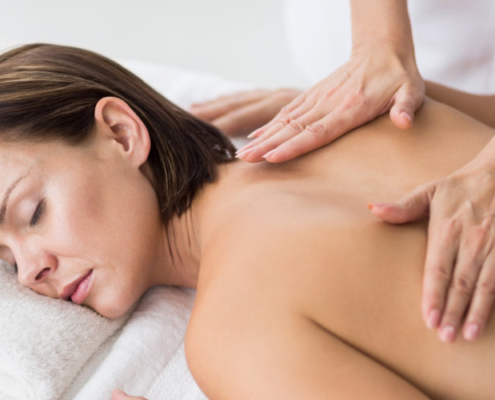 https://www.minipause.au/wp-content/uploads/2026/10/Workplace-massage-for-women.jpg
500
1000
admin
https://minipause.au/wp-content/uploads/2025/01/Mini-pause-logo-2.png
admin2026-10-07 13:26:132026-10-07 15:32:32Workplace Massage for Women: Creating Space to Pause and Recharge
https://www.minipause.au/wp-content/uploads/2026/10/Workplace-massage-for-women.jpg
500
1000
admin
https://minipause.au/wp-content/uploads/2025/01/Mini-pause-logo-2.png
admin2026-10-07 13:26:132026-10-07 15:32:32Workplace Massage for Women: Creating Space to Pause and Recharge https://www.minipause.au/wp-content/uploads/2026/10/Why-more-workplaces-are-including-massage.jpg
500
1000
admin
https://minipause.au/wp-content/uploads/2025/01/Mini-pause-logo-2.png
admin2026-10-07 13:25:312026-10-07 15:31:14Why More Workplaces Are Including Massage in Employee Wellbeing Programs
https://www.minipause.au/wp-content/uploads/2026/10/Why-more-workplaces-are-including-massage.jpg
500
1000
admin
https://minipause.au/wp-content/uploads/2025/01/Mini-pause-logo-2.png
admin2026-10-07 13:25:312026-10-07 15:31:14Why More Workplaces Are Including Massage in Employee Wellbeing Programs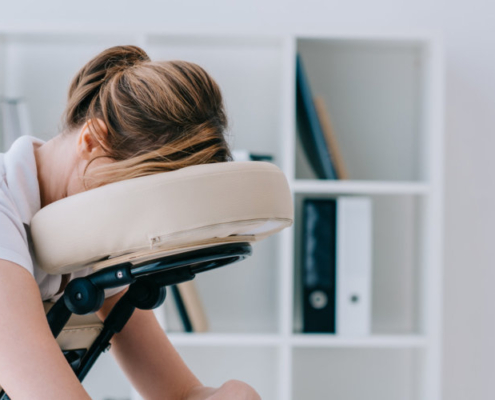 https://www.minipause.au/wp-content/uploads/2026/10/What-to-expect-from-a-workplace-massage.jpg
500
1000
admin
https://minipause.au/wp-content/uploads/2025/01/Mini-pause-logo-2.png
admin2026-10-07 13:21:122026-10-07 15:30:10What to Expect From a Workplace Massage Session
https://www.minipause.au/wp-content/uploads/2026/10/What-to-expect-from-a-workplace-massage.jpg
500
1000
admin
https://minipause.au/wp-content/uploads/2025/01/Mini-pause-logo-2.png
admin2026-10-07 13:21:122026-10-07 15:30:10What to Expect From a Workplace Massage Session https://www.minipause.au/wp-content/uploads/2026/10/How-workplace-massage-can-support-stress-management.jpg
500
1000
admin
https://minipause.au/wp-content/uploads/2025/01/Mini-pause-logo-2.png
admin2026-10-07 13:20:332026-10-07 15:29:04How Workplace Massage Can Support Stress Management at Work
https://www.minipause.au/wp-content/uploads/2026/10/How-workplace-massage-can-support-stress-management.jpg
500
1000
admin
https://minipause.au/wp-content/uploads/2025/01/Mini-pause-logo-2.png
admin2026-10-07 13:20:332026-10-07 15:29:04How Workplace Massage Can Support Stress Management at Work https://www.minipause.au/wp-content/uploads/2026/10/Benefits-of-workplace-massage.jpg
500
1000
admin
https://minipause.au/wp-content/uploads/2025/01/Mini-pause-logo-2.png
admin2026-10-07 13:17:522026-10-07 15:27:56Benefits of Workplace Massage for Employee Wellbeing
https://www.minipause.au/wp-content/uploads/2026/10/Benefits-of-workplace-massage.jpg
500
1000
admin
https://minipause.au/wp-content/uploads/2025/01/Mini-pause-logo-2.png
admin2026-10-07 13:17:522026-10-07 15:27:56Benefits of Workplace Massage for Employee Wellbeing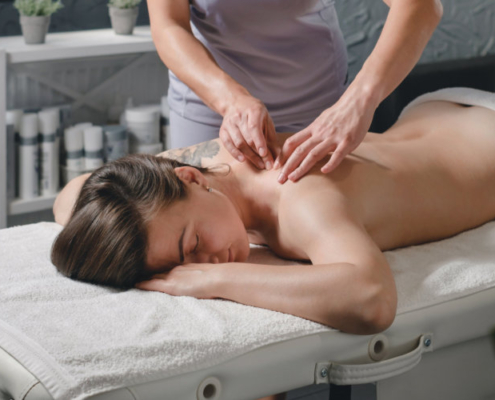 https://www.minipause.au/wp-content/uploads/2026/10/What-is-corporate-massage.jpg
500
1000
admin
https://minipause.au/wp-content/uploads/2025/01/Mini-pause-logo-2.png
admin2026-10-07 13:16:042026-10-07 15:26:44What Is Corporate Massage and How Does It Work in the Workplace?
https://www.minipause.au/wp-content/uploads/2026/10/What-is-corporate-massage.jpg
500
1000
admin
https://minipause.au/wp-content/uploads/2025/01/Mini-pause-logo-2.png
admin2026-10-07 13:16:042026-10-07 15:26:44What Is Corporate Massage and How Does It Work in the Workplace?