
How to Introduce Mindfulness Meditation into Your Workplace
What if creating a healthier workplace could begin with something as simple as giving employees permission to pause?
Between meetings, deadlines, constant interruptions and competing responsibilities, the working day can become a continuous cycle of doing, thinking and responding. Before we know it, the day is almost over, our minds are racing and we’ve barely taken a moment to check in with ourselves.
For many women, these workplace pressures are accompanied by responsibilities outside work. Caring for family members, managing households and supporting others can leave little time to focus on personal wellbeing.
Introducing mindfulness meditation into the workplace offers an opportunity to change that. Through gentle, guided practices, employees can explore ways to manage everyday stress, develop greater emotional awareness and create moments of calm within their working day.
For Australian businesses and organisations, workplace mindfulness meditation can be a meaningful addition to employee wellbeing initiatives. And getting started doesn’t necessarily require a complicated programme or major changes to the working day.
Why Introduce Mindfulness Meditation into the Workplace?
Employee wellbeing is about more than creating a comfortable physical working environment. Mental and emotional wellbeing also influence how people experience their day, communicate with colleagues and respond to challenging situations.
Heavy workloads, workplace changes, difficult conversations and constant digital interruptions can contribute to stress and mental exhaustion. When we’re continually responding to external demands, it can become difficult to recognise our own needs or find opportunities to recover.
Mindfulness meditation provides a structured opportunity to practise paying attention to the present moment with openness and without harsh self-judgement.
Through guided meditation, participants can become more familiar with their thoughts, emotions and physical sensations. They may begin to recognise when stress is building, notice habitual reactions and explore more thoughtful ways of responding to everyday challenges.
Scientific research into workplace meditation programmes has found promising improvements in perceived stress, anxiety and psychological wellbeing, although individual experiences and results vary.
Mindfulness cannot eliminate workplace pressures, resolve difficult relationships or replace appropriate mental health support. However, when offered alongside healthy workplace practices, it can become a useful resource for supporting personal wellbeing.
For a closer look at the evidence, read our article Meditation for Women in the Workplace: The Science of Finding Your Inner Calm.
1. Start by Understanding Your Employees’ Needs
Before introducing workplace mindfulness meditation, it’s worth considering what your employees might find helpful and what challenges they experience during their working day.
Some women may be interested in managing everyday stress, while others may welcome opportunities to relax, improve emotional awareness or develop healthier boundaries between work and personal life.
Different workplaces also present different challenges. Someone working in a busy healthcare environment may experience very different pressures from an employee working remotely, managing a team or spending most of the day in meetings.
A useful starting point is to ask employees whether they would be interested in exploring guided mindfulness meditation and what would make participation practical for them.
Would a short session during a lunch break be more convenient? Would employees welcome a dedicated wellbeing activity? Are there particular times of the day when stepping away from work would be easier?
It’s equally important to recognise that mindfulness meditation won’t appeal to everyone. Some employees may prefer other ways of supporting their wellbeing, and participation should always be voluntary.
The aim is to create an experience that employees genuinely value, rather than introducing another activity they feel obligated to attend.
2. Choose a Mindfulness Meditation Format That Suits Your Workplace
There is no single approach to workplace mindfulness meditation that suits every organisation.
A smaller business may wish to explore an introductory group meditation session as part of a staff wellbeing activity. A larger organisation might consider regular sessions that provide employees with opportunities to develop a more consistent mindfulness practice.
The most suitable approach will depend on factors such as employee availability, workplace schedules, the number of participants and the organisation’s wellbeing goals.
Introductory Mindfulness Meditation Sessions
For employees who have never meditated before, an introductory session can be a welcoming way to explore mindfulness in a supportive environment.
Some people assume meditation requires them to stop thinking, sit perfectly still or achieve a completely calm mind. These expectations can make the practice feel intimidating or inaccessible.
A guided introduction can help participants understand what mindfulness involves, explore simple techniques and discover that wandering thoughts are a normal part of meditation.
Short Guided Meditation Sessions
Short meditation sessions can provide a manageable opportunity to introduce mindfulness into a busy working day.
Depending on workplace schedules, organisations might consider guided meditation during a suitable break or as part of a dedicated employee wellbeing activity.
The intention is to provide time for participants to step away from their usual responsibilities, settle their attention and reconnect with the present moment.
Regular Workplace Mindfulness Programmes
Some organisations may wish to explore ongoing meditation sessions that allow employees to become more familiar with mindfulness techniques over time.
Regular opportunities to practise can encourage participants to discover which techniques feel comfortable and how mindfulness might fit into their personal routines.
Whatever format an organisation chooses, the experience should feel accessible and supportive rather than becoming another demand on employees’ time.
3. Create a Calm and Comfortable Environment
A workplace meditation session doesn’t require expensive equipment, elaborate surroundings or a dedicated meditation studio.
A quiet meeting room or comfortable communal space may be suitable, provided participants can step away from workplace interruptions and focus on the experience.
Consider whether the room has comfortable seating, sufficient space, appropriate lighting and minimal distractions. It may also be helpful to ensure phones and notifications can be silenced during the session.
Participants should feel comfortable sitting in a natural, relaxed position. There is no need to sit cross-legged on the floor or adopt a particular posture to explore mindfulness.
Creating a welcoming environment also involves respecting individual preferences and needs. Some participants may prefer to keep their eyes open, while others may feel more comfortable with their eyes closed.
There should never be pressure to share personal experiences, discuss emotions or achieve a particular outcome.
For beginners, knowing that there is no right or wrong way to experience a session can make mindfulness feel considerably more approachable.
4. Make Participation Voluntary and Inclusive
Workplace wellbeing initiatives are most meaningful when employees feel they have a genuine choice about participating.
Mindfulness meditation is a personal experience, and every woman’s relationship with the practice will be different.
Some participants may enjoy mindful breathing exercises, while others may prefer guided relaxation, present-moment awareness or self-compassion practices.
It’s also important to recognise that mindfulness isn’t universally comfortable for everyone. Focusing inward or sitting quietly can sometimes bring up difficult thoughts, emotions or memories.
Employees should feel free to adapt a practice, take a break or stop participating if something feels uncomfortable.
Employers can encourage a positive experience by explaining what the sessions involve, ensuring participation is voluntary and avoiding expectations that employees should disclose personal information.
Mindfulness meditation should never become another measure of workplace performance or something employees feel they must do to demonstrate commitment to their organisation.
Its purpose is to provide an opportunity for personal wellbeing, reflection and greater self-awareness.
5. Encourage Simple Mindfulness Practices Throughout the Working Day
One of the most accessible aspects of mindfulness is that it can be explored in small moments throughout the day.
While guided workplace meditation sessions offer dedicated opportunities to practise, employees may also find it helpful to explore simple mindfulness techniques during their everyday routines.
Here are five gentle practices that women can try whenever they feel comfortable doing so.
The One-Minute Morning Pause
Before opening your emails or beginning your first task, take a moment to sit comfortably and notice your natural breathing.
Feel your feet resting on the floor, become aware of the chair supporting you and notice the sounds around you.
There is nothing you need to change or achieve. Simply allow yourself a moment to arrive in the present before responding to the day’s demands.
The Mindful Meeting Reset
Moving quickly between meetings can leave little time to process information or recognise how we’re feeling.
Before your next meeting, take a brief pause and notice whether you’re carrying tension in your shoulders, jaw or body.
Allow yourself a few natural breaths and gently bring your attention to the conversation ahead. This small moment of awareness may help you approach the meeting with greater intention.
The Conscious Breathing Break
During a demanding working day, it’s easy to become caught up in racing thoughts, worries or competing responsibilities.
If it’s safe and practical, pause for a moment and observe your natural breathing without trying to control it.
Notice the sensations of breathing in and out. When your attention wanders, gently bring it back to your breath.
The purpose isn’t to force yourself to relax. It’s simply to create an opportunity to reconnect with the present moment.
A Moment of Self-Compassion
Many women are familiar with the inner voice that says they should be doing more, achieving more or managing everything better.
When you notice self-critical thoughts arising, consider how you might respond to a friend experiencing something similar.
You might silently repeat a phrase such as, “May I meet this moment with patience and kindness.”
Self-compassion encourages us to acknowledge our experiences without harsh judgement and recognise that needing rest, support or understanding is part of being human.
The End-of-Day Transition
Work-related thoughts don’t always disappear when we leave the office or close our laptops.
Before finishing your working day, take a moment to acknowledge what you’ve accomplished, recognise what can wait until tomorrow and notice how you’re feeling.
Allow yourself a brief pause before moving into your personal time.
For women balancing professional responsibilities with family commitments and other demands, this small transition can provide an opportunity to reconnect with life outside work.
These practices are invitations rather than obligations. Some may feel more useful than others, and there is no expectation to practise them perfectly.
6. Support Mindfulness with Healthy Workplace Practices
Introducing mindfulness meditation can be a positive step towards supporting employee wellbeing, but it should form part of a broader organisational commitment.
A healthy workplace also requires reasonable workloads, supportive leadership, fair treatment, appropriate breaks and opportunities for employees to raise concerns.
Meditation cannot compensate for an environment where employees are consistently overwhelmed, unsupported or expected to manage unreasonable demands.
Organisations should therefore consider how mindfulness complements their existing wellbeing initiatives rather than expecting it to resolve the underlying causes of workplace stress.
For example, an organisation might offer voluntary mindfulness sessions alongside flexible working arrangements where appropriate, employee wellbeing conversations and practical measures to address work-related pressures.
This approach recognises that wellbeing is influenced by both personal experiences and workplace conditions.
Mindfulness provides opportunities for individuals to develop greater awareness and self-compassion, while organisations remain responsible for creating safe and supportive working environments.
7. Encourage Consistency Without Expecting Perfection
For women new to mindfulness meditation, developing a regular practice can take time.
Some may feel comfortable during their first guided session, while others may need several opportunities to become familiar with the experience.
It’s important to communicate that meditation is a skill that can be explored gradually. There is no universally proven number of minutes that guarantees results, and there is no requirement to practise for long periods every day.
A few minutes of mindful awareness may be a comfortable starting point for one person, while another may prefer a longer guided session.
Organisations offering regular workplace mindfulness opportunities can encourage interested employees to explore practices they find useful without creating expectations around attendance or progress.
If someone misses a session, finds their mind wandering or struggles to concentrate, that’s perfectly normal.
The intention is to create opportunities for reflection and self-awareness without adding another responsibility to an already demanding working day.
8. Ask Employees About Their Experience
When introducing a new workplace wellbeing initiative, it’s reasonable to consider whether it meets employees’ needs and provides a positive experience.
Rather than focusing exclusively on productivity or workplace performance, consider how participants feel about the sessions themselves.
Did they feel comfortable and supported? Were the sessions accessible and conveniently scheduled? Did they find the guidance helpful? Would they welcome further opportunities to practise?
An optional, anonymous feedback survey can provide useful insights without requiring employees to disclose personal mental health information.
Feedback may help organisations understand whether a particular format is suitable, whether adjustments are needed and whether there is interest in continuing the programme.
It’s important to keep expectations realistic. Meditation doesn’t produce identical outcomes for everyone, and improvements in wellbeing cannot necessarily be attributed to one workplace activity.
A useful starting point is understanding whether employees value the opportunity and whether it contributes positively to the organisation’s broader wellbeing approach.
Why Consider Mindfulness Meditation Specifically for Women?
Women bring diverse experiences, skills and perspectives to workplaces across Australia. Their responsibilities, circumstances and wellbeing needs can differ enormously.
However, many women recognise the pressure of balancing professional expectations with responsibilities outside work, supporting others while overlooking their own needs or feeling that they must remain capable and composed even when life becomes overwhelming.
A women-centred mindfulness meditation session can provide a welcoming space where participants are encouraged to step away from these demands and focus on themselves.
Through guided practices, women can explore greater emotional awareness, self-compassion and opportunities for relaxation without pressure to perform or meet another expectation.
These experiences may also encourage participants to recognise their personal needs, reflect on healthier boundaries and develop a more thoughtful relationship with everyday challenges.
At MiniPause, we believe that creating opportunities for women to reconnect with themselves is an important part of supporting their wellbeing, both within the workplace and beyond.
Introducing MiniPause Workplace Mindfulness Meditation
MiniPause offers guided workplace mindfulness meditation sessions designed to support women in Australian businesses and organisations.
Founded by Marketa, MiniPause creates nurturing spaces where women can slow down, reconnect with themselves and explore practical ways to support their mental and emotional wellbeing.
As an accredited Mindfulness Meditation Teacher with Meditation Australia, Marketa brings a gentle, supportive approach to helping women explore mindfulness in everyday life.
MiniPause workplace sessions provide opportunities for participants to practise mindful breathing, present-moment awareness, guided meditation and self-compassion in a welcoming environment.
Whether participants are completely new to meditation or already familiar with mindfulness practices, the emphasis is on creating an experience that feels accessible, supportive and personally meaningful.
There is no expectation to stop thinking, achieve a particular outcome or feel completely calm throughout a session.
The invitation is simply to pause, explore and discover what mindfulness might offer.
Ready to Introduce Mindfulness Meditation into Your Workplace?
Creating a supportive workplace means recognising that employee wellbeing deserves time, attention and care.
Introducing mindfulness meditation can offer women an opportunity to step away from everyday demands, develop greater self-awareness and explore practical techniques they may find useful both at work and in their personal lives.
Whether your organisation is considering an introductory wellbeing activity or exploring regular workplace mindfulness opportunities, MiniPause welcomes the chance to discuss your needs.
Discover our Workplace Mindfulness Meditation for Women sessions and contact MiniPause to explore how guided meditation could become part of your organisation’s employee wellbeing initiatives.
Enquire About Workplace Mindfulness Meditation
MiniPause – small pauses, meaningful moments, greater awareness.
Frequently Asked Questions
How can a business introduce mindfulness meditation into the workplace?
Businesses can begin by finding out whether employees are interested in mindfulness meditation and identifying suitable opportunities within the working day. An introductory guided session may be a useful starting point, particularly for employees who haven’t meditated before. Organisations can then consider whether occasional wellbeing sessions or a more regular programme would suit their employees. The important thing is to make participation voluntary, provide a welcoming environment and ensure mindfulness complements existing employee wellbeing initiatives.
How long should a workplace mindfulness meditation session be?
There is no single session length that suits every workplace or guarantees particular results. Some organisations may prefer shorter guided sessions that can fit comfortably into the working day, while others may wish to explore longer experiences or regular programmes. The most suitable duration depends on employee availability, experience levels and the organisation’s objectives. Businesses can discuss their requirements with a qualified meditation teacher to determine an appropriate approach.
Do employees need previous experience to participate in workplace meditation?
No previous meditation experience is necessary. Guided workplace mindfulness sessions can introduce beginners to simple practices such as breathing awareness, present-moment attention and self-compassion. Participants don’t need special equipment or the ability to completely clear their minds. Thoughts naturally arise during meditation, and learning to notice distractions without harsh judgement is part of the practice. Employees should always feel comfortable participating at their own pace.
What are the benefits of introducing mindfulness meditation into the workplace?
Research suggests workplace meditation programmes may help reduce perceived stress and anxiety while supporting psychological wellbeing and resilience. Mindfulness also provides opportunities to develop greater emotional awareness, practise attention and explore more thoughtful responses to everyday challenges. However, results vary between individuals, and improvements in productivity or workplace performance are not guaranteed. Meditation is most valuable when offered as part of a broader approach to employee wellbeing.
Should workplace mindfulness meditation be compulsory?
Workplace mindfulness meditation should be voluntary. Although many people find meditation helpful, individual experiences and preferences differ. Some employees may feel uncomfortable with particular practices, and others may prefer alternative wellbeing activities. Creating an inclusive environment means allowing participants to choose whether to attend, adapt practices according to their needs and step away if they feel uncomfortable. Employees should never feel pressured to share personal experiences or demonstrate particular results.
Can mindfulness meditation help employees manage workplace stress?
Mindfulness meditation may help employees become more aware of their thoughts, emotions and physical responses to stressful situations. By practising present-moment awareness, participants can explore ways to recognise stress earlier and respond to challenges with greater intention. Research has reported promising reductions in perceived stress following some workplace meditation programmes. However, meditation cannot eliminate workplace pressures and should never replace reasonable workloads, supportive management or appropriate professional mental health support.
What is the difference between workplace mindfulness meditation and individual online meditation?
Workplace mindfulness meditation is designed for businesses and organisations interested in providing guided wellbeing experiences for employees, often in a group environment. Individual online meditation programmes are generally intended for people who want to explore mindfulness as part of their personal wellbeing routine. MiniPause offers separate workplace mindfulness meditation and online meditation services, allowing organisations and individuals to explore options suited to their needs.
How can Australian organisations arrange workplace meditation sessions with MiniPause?
Australian businesses and organisations interested in introducing guided mindfulness meditation can contact MiniPause to discuss their workplace wellbeing objectives and the needs of their employees. Marketa, an accredited Mindfulness Meditation Teacher with Meditation Australia, offers a gentle, women-centred approach designed to make mindfulness accessible and supportive. Organisations can enquire through the MiniPause website to explore suitable workplace meditation opportunities.
You may also be interested in …
 https://www.minipause.au/wp-content/uploads/2026/10/Self-compassion.jpg
430
1000
admin
https://minipause.au/wp-content/uploads/2025/01/Mini-pause-logo-2.png
admin2026-10-18 06:40:452026-10-18 06:57:20Mindfulness, Self-Compassion and Healthy Boundaries for Working Women
https://www.minipause.au/wp-content/uploads/2026/10/Self-compassion.jpg
430
1000
admin
https://minipause.au/wp-content/uploads/2025/01/Mini-pause-logo-2.png
admin2026-10-18 06:40:452026-10-18 06:57:20Mindfulness, Self-Compassion and Healthy Boundaries for Working Women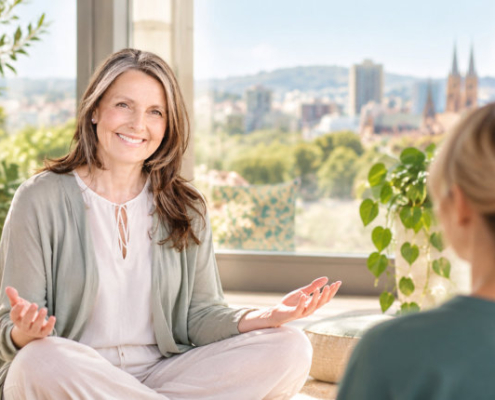 https://www.minipause.au/wp-content/uploads/2026/10/How-to-introduce-mindfulness-meditation.jpg
430
1000
admin
https://minipause.au/wp-content/uploads/2025/01/Mini-pause-logo-2.png
admin2026-10-18 06:27:452026-10-18 06:58:47How to Introduce Mindfulness Meditation into Your Workplace
https://www.minipause.au/wp-content/uploads/2026/10/How-to-introduce-mindfulness-meditation.jpg
430
1000
admin
https://minipause.au/wp-content/uploads/2025/01/Mini-pause-logo-2.png
admin2026-10-18 06:27:452026-10-18 06:58:47How to Introduce Mindfulness Meditation into Your Workplace https://www.minipause.au/wp-content/uploads/2026/10/Meditation-science.jpg
430
1000
admin
https://minipause.au/wp-content/uploads/2025/01/Mini-pause-logo-2.png
admin2026-10-16 12:57:592026-10-18 06:59:56Meditation for Women in the Workplace: The Science of Finding Your Inner Calm
https://www.minipause.au/wp-content/uploads/2026/10/Meditation-science.jpg
430
1000
admin
https://minipause.au/wp-content/uploads/2025/01/Mini-pause-logo-2.png
admin2026-10-16 12:57:592026-10-18 06:59:56Meditation for Women in the Workplace: The Science of Finding Your Inner Calm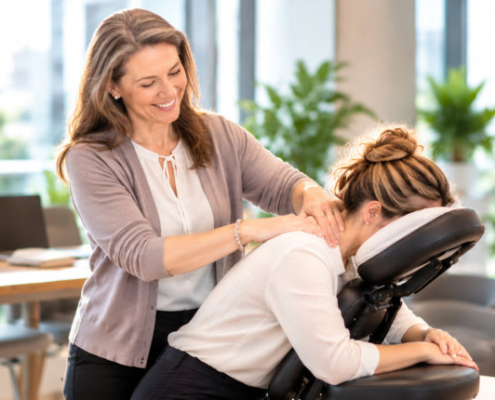 https://www.minipause.au/wp-content/uploads/2026/10/Workplace-Massage-3.jpg
430
1000
admin
https://minipause.au/wp-content/uploads/2025/01/Mini-pause-logo-2.png
admin2026-10-07 13:26:132026-10-18 07:01:00Workplace Massage for Women: Creating Space to Pause and Recharge
https://www.minipause.au/wp-content/uploads/2026/10/Workplace-Massage-3.jpg
430
1000
admin
https://minipause.au/wp-content/uploads/2025/01/Mini-pause-logo-2.png
admin2026-10-07 13:26:132026-10-18 07:01:00Workplace Massage for Women: Creating Space to Pause and Recharge https://www.minipause.au/wp-content/uploads/2026/10/Why-more-workplaces-are-including-massage.jpg
500
1000
admin
https://minipause.au/wp-content/uploads/2025/01/Mini-pause-logo-2.png
admin2026-10-07 13:25:312026-10-07 15:31:14Why More Workplaces Are Including Massage in Employee Wellbeing Programs
https://www.minipause.au/wp-content/uploads/2026/10/Why-more-workplaces-are-including-massage.jpg
500
1000
admin
https://minipause.au/wp-content/uploads/2025/01/Mini-pause-logo-2.png
admin2026-10-07 13:25:312026-10-07 15:31:14Why More Workplaces Are Including Massage in Employee Wellbeing Programs https://www.minipause.au/wp-content/uploads/2026/10/What-to-expect-from-a-workplace-massage.jpg
500
1000
admin
https://minipause.au/wp-content/uploads/2025/01/Mini-pause-logo-2.png
admin2026-10-07 13:21:122026-10-07 15:30:10What to Expect From a Workplace Massage Session
https://www.minipause.au/wp-content/uploads/2026/10/What-to-expect-from-a-workplace-massage.jpg
500
1000
admin
https://minipause.au/wp-content/uploads/2025/01/Mini-pause-logo-2.png
admin2026-10-07 13:21:122026-10-07 15:30:10What to Expect From a Workplace Massage Session