What to Expect From a Workplace Massage Session
If you have never experienced massage at work before, you may be wondering how it all works. Where does the massage take place? How much time does it take? What do employees need to do beforehand? And perhaps most importantly, how do you make the experience feel calm and comfortable inside an otherwise busy workplace?
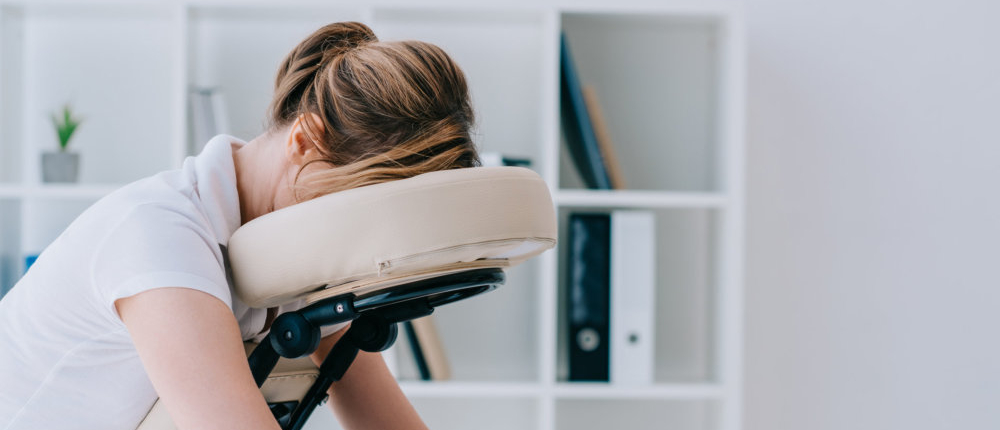
Workplace massage is designed to be simple. The practitioner comes to the workplace, a private space is set aside, employees attend at scheduled times and the experience is adapted around the organisation rather than expecting the organisation to completely rearrange its day.
At MiniPause, Corporate Healing Massage for Women is designed to create a nurturing pause within the working day. The aim is to give women a short period away from screens, meetings and responsibilities, where they can slow down and simply receive.
Before the Workplace Massage Day
A successful workplace massage experience starts before the practitioner arrives. The organisation and massage provider will usually discuss practical details such as the approximate number of participants, the available space, the length of the booking and how sessions can fit around the working day.
This planning does not need to be complicated. The purpose is simply to make sure the experience runs smoothly and employees know what to expect before they participate.
Depending on the workplace, sessions may be scheduled individually across a morning or afternoon, or massage may form part of a larger wellbeing day or employee wellbeing program. Smaller organisations may choose longer appointments for fewer people, while larger teams may need a different format so more employees have the opportunity to take part.
If you are still deciding whether workplace massage is right for your organisation, our guide to what corporate massage is and how it works in the workplace explains the broader concept and how massage can fit into employee wellbeing.
Choosing the Right Space
The space used for workplace massage can make a significant difference to the experience. Employees need enough privacy to feel comfortable stepping away from work, rather than feeling as though they are simply having a massage in the middle of the office.
Ideally, the workplace should provide a quiet private room away from busy walkways, ringing phones and regular interruptions. It does not need to be an elaborate wellness room, but it should offer enough separation from the rest of the workplace for the person participating to feel that they have genuinely stepped out of their normal environment.
Privacy is particularly important because massage involves physical touch. Employees should not feel watched by colleagues or worry that people may walk in unexpectedly during their session.
The available room, access and practical setup can be discussed before the booking so the experience can be planned around what the workplace already has available.
How Sessions Are Scheduled
One of the advantages of workplace massage is that the entire team does not need to stop working at the same time. Sessions can be staggered throughout the day, allowing employees to attend individually and return to their normal responsibilities afterwards.
This makes it easier to work around meetings, customer appointments, deadlines and other business requirements. The schedule can be built around the workplace rather than creating unnecessary disruption.
Employees should ideally know their appointment time in advance so they can prepare to step away without feeling rushed. A well-organised schedule also helps prevent delays and avoids the experience becoming another source of pressure during the day.
The total number of people who can participate will depend on the length of individual sessions and the amount of time available. These details can be discussed during the planning stage so expectations are clear before the massage day begins.
What Happens When an Employee Arrives?
The transition from work into the massage session is an important part of the experience. Someone may arrive directly from a meeting, a difficult phone call or a period of concentrated work, so they may still feel mentally connected to whatever they were doing a few minutes earlier.
The purpose of the session is to create a different pace. Rather than immediately moving into another task, the employee is given a moment to arrive, settle and understand what the massage will involve.
At MiniPause, the experience follows a simple rhythm: Arrive → Pause → Breathe → Receive → Refresh. That structure is deliberately uncomplicated because workplace wellbeing does not always need another complicated process or set of instructions.
The person participating is not expected to achieve anything during the session. She does not need to perform, contribute or learn a new technique. For that short period, the emphasis is simply on receiving the experience.
Consent and Comfort Come First
Massage should always be based on informed consent. Employees need to understand what the session involves and should feel comfortable asking questions or raising concerns before the massage begins.
Healthdirect Australia advises people to discuss relevant medical conditions with a massage therapist and to communicate if anything feels uncomfortable during treatment. It also notes that massage may not be appropriate in some circumstances.
That means employees should have the opportunity to disclose relevant health information and make their own decision about whether massage is suitable for them. Participation should always be voluntary, and nobody should feel pressured to take part simply because the service is being offered by their employer.
Where someone has a health condition or is uncertain about whether massage is appropriate, seeking advice from a healthcare professional may be the most sensible approach.
What Should Employees Wear?
The clothing requirements will depend on the type of massage being offered. Employees should be told what to expect beforehand so there are no surprises on the day and they can feel comfortable about participating.
Workplace massage needs to be practical as well as relaxing. The format should suit the environment and allow employees to return to the rest of their day without the experience becoming unnecessarily complicated.
Clear communication before the booking is helpful here. Rather than leaving employees wondering what they need to bring or wear, the workplace can provide simple information in advance so everyone understands how the session will work.
How Long Does a Workplace Massage Take?
There is no single standard session length because corporate massage can be adapted around different workplaces. The right format depends on how many people are participating, how much time is available and what kind of experience the organisation wants to create.
A smaller team may be able to enjoy longer appointments, while a larger workplace may choose shorter sessions spread across several hours. The most important thing is to create enough time for the experience to feel worthwhile without making the schedule difficult for the organisation to manage.
It is also worth allowing a little transition time between participants. Employees should not feel as though they are moving through a production line, because that undermines the purpose of creating a calm workplace wellbeing experience.
What Does the Massage Feel Like?
MiniPause Corporate Healing Massage is designed to be gentle, nurturing and relaxing rather than clinical or performance-focused. The aim is to create an experience where women can step away from the mental pace of work and spend a short period focusing on themselves.
Different people experience massage differently. Some may notice that they relax quickly, while others may take longer to settle because their mind is still on work or the rest of the day.
There is no right way to experience the session. Someone does not need to completely switch off for the massage to have value. Simply stepping away from work and entering a quieter environment can already feel different from the rest of the day.
Our article on the benefits of workplace massage for employee wellbeing looks more closely at why that kind of pause can be meaningful for employees.
What Happens After the Session?
Once the massage is finished, the employee returns to the rest of their working day. The idea is not to create a dramatic transition or suggest that every person will walk out feeling completely transformed.
Some employees may feel noticeably calmer or more refreshed, while others may simply appreciate having had time away from their normal routine. Individual responses will naturally vary.
The important part is that the employee has been given a defined period where nothing else was required of them. That can make the session feel very different from a normal break, where work may still be competing for attention.
Workplace massage should feel like a pause inside the day rather than an event that creates additional pressure before or afterwards.
Making the Experience Feel Calm Rather Than Rushed
The way the day is organised can affect how employees experience it. If sessions are scheduled too tightly, people may feel rushed getting there or worry about being late returning to work.
A little flexibility can help. Employees need enough time to leave their desk, arrive at the massage space and return afterwards without feeling that every minute is being monitored.
The workplace can also help by treating the session as legitimate time rather than something employees need to make up later. If participants believe they will simply have to work faster afterwards to compensate for the break, the experience loses some of its purpose.
This is one of the reasons workplace massage works best when it is supported by the broader culture of the organisation. Our article on why more workplaces are including massage in employee wellbeing programs explores how wellbeing initiatives can sit within a more meaningful workplace approach.
Workplace Massage and Stress Management
Some employees may be drawn to massage because they are feeling busy, tense or overwhelmed. Massage can provide a calming experience, but it is important not to confuse that with treating the causes of workplace stress.
If stress is being caused by excessive workload, poor support, bullying, unclear expectations or other psychosocial hazards, those workplace issues need to be addressed directly.
Safe Work Australia provides guidance for organisations on identifying and managing psychosocial hazards at work. Workplace massage should complement good workplace practices rather than be used instead of them.
Our detailed guide to how workplace massage can support stress management at work explains this distinction in more depth.
Preparing Employees Before the Day
Good communication can make the experience feel far more comfortable. Employees should know that massage is being offered, that participation is optional and what they can expect from the session.
Providing the basic information beforehand removes uncertainty. People can decide whether they would like to participate, consider any relevant health concerns and ask questions before the practitioner arrives.
This is also a good opportunity to explain the purpose of the experience. Rather than presenting it as a cure for stress or promising particular health outcomes, the workplace can simply describe it as a chance to step away, relax and enjoy some dedicated time for themselves.
That honest positioning is more respectful and avoids creating unrealistic expectations about what a workplace massage session can achieve.
Why MiniPause Focuses on Women
MiniPause Corporate Healing Massage has been designed specifically for women in the workplace. The focus is on creating a nurturing experience where women can temporarily step away from the roles and responsibilities that fill much of their day.
Every woman’s life is different, so the experience is not based on the assumption that all women share the same pressures. However, many women will recognise the feeling of moving constantly between professional responsibilities, family commitments, caring roles and everyday organisation.
For a short period, the massage session changes that dynamic. The participant is not being asked to organise, care for or respond to someone else. She is given permission to receive.
This is explored further in Workplace Massage for Women: Creating Space to Pause and Recharge.
What Employers Can Do to Make the Day Work Well
The employer does not need to create an elaborate wellness event for workplace massage to feel worthwhile. A few practical decisions can make a significant difference to the experience.
Provide a private space, communicate clearly, allow enough time between sessions and make sure employees understand they are genuinely allowed to participate without feeling guilty about leaving their desk.
It is also worth appointing one person within the organisation as the contact for the practitioner. This keeps communication simple and means any practical questions on the day can be resolved without involving multiple people.
When the logistics are handled well, employees can focus on the experience itself rather than worrying about where they need to go, what they need to do or whether they are falling behind at work.
What Workplace Massage Should Not Feel Like
Workplace massage should not feel rushed, compulsory or awkward. Employees should not feel pressured into participating because their manager thinks it would be good for them, nor should they feel uncomfortable declining.
It should also not feel like a medical appointment unless the service has specifically been designed as a clinical treatment. MiniPause is a relaxation and wellbeing experience rather than a medical or healthcare service.
The objective is not to diagnose or treat a condition. It is to create a quiet and supportive experience within the working day.
Keeping those boundaries clear helps employees understand exactly what is being offered and creates a more comfortable experience for everyone involved.
Why Workplace Massage Can Feel Different From Other Wellbeing Activities
Many workplace wellbeing initiatives still require employees to actively participate in something. They may need to listen to a presentation, follow an exercise, complete an activity or learn a new technique.
Massage is different because the employee can simply receive. There is nothing to remember afterwards and nothing they need to practise correctly.
That can be especially appealing for people who already spend much of their day thinking, solving problems and responding to others. The massage becomes a break from doing rather than another form of doing.
For organisations looking for a wellbeing experience that feels personal and easy to access, that simplicity can be one of its strongest qualities.
Creating the Right Experience for Your Workplace
There is no single way workplace massage needs to look. The best approach is one that fits naturally around the organisation, the employees and the working environment.
Before booking, think about how many women may want to participate, what private space is available and how much time can realistically be allocated. From there, the session format can be designed around the workplace.
MiniPause Corporate Healing Massage for Women can be tailored according to your team size, schedule and available space, helping create a workplace experience that feels calm, organised and easy to participate in.
If you are still exploring whether massage would suit your organisation, you can also read about how corporate massage works, the benefits of workplace massage and how massage can fit into employee wellbeing programs.
Frequently Asked Questions
What information should employees receive before a workplace massage day?
Employees should be given enough information to decide comfortably whether they would like to participate. This should include the general format of the session, where it will take place, how long it is likely to last and whether there are any clothing or preparation requirements. They should also understand that participation is voluntary.
Clear information beforehand helps remove uncertainty and gives employees an opportunity to raise health or comfort concerns privately rather than feeling they need to ask questions in front of colleagues on the day.
Should employees eat before their massage session?
Employees do not usually need to make major changes to their normal day, but it can be sensible to avoid a very heavy meal immediately before a massage if that would make them uncomfortable. The main goal is for the person to feel relaxed rather than distracted by hunger or feeling overly full.
If MiniPause has any specific recommendations for the type of massage being provided, those can be communicated before the day so participants know what will help them feel comfortable.
What happens if an employee is late for their session?
Because workplace massage often runs to a schedule, arriving late may reduce the amount of time available for that person’s session, particularly when another employee is booked immediately afterwards. Building a little transition time into the schedule can help avoid the entire day becoming delayed.
Employers can also make the process easier by reminding employees of their appointment shortly beforehand or providing a clear schedule so people know exactly when they need to step away from work.
What if an employee changes their mind after booking a session?
They should be able to opt out. Consent is ongoing, and agreeing to participate earlier does not mean someone is required to continue if they later feel uncomfortable or decide massage is not right for them.
Creating that freedom is important in a workplace setting, where employees may otherwise worry that declining an activity could be noticed or judged by colleagues or managers.
What happens if an employee has a health condition on the day?
The employee should disclose any relevant health information to the practitioner before the massage begins. Depending on the circumstances, the session may need to be modified or may not be appropriate at all.
If the person is uncertain about whether massage is suitable because of a medical condition, injury, pregnancy-related concern or other health issue, they should seek appropriate medical advice rather than relying on the workplace massage provider to make a medical assessment.
How should employees feel after a workplace massage session?
There is no single expected response. Some people may feel very relaxed, while others may simply enjoy having had a quiet break from work. Someone who has been extremely busy may notice that it takes time to mentally shift back into their normal day.
The purpose of the experience is not to produce a guaranteed outcome. It is to give the employee a period where they can pause and receive, with the hope that they return to the rest of the day feeling refreshed.
You may also be interested in …
 https://www.minipause.au/wp-content/uploads/2026/10/Workplace-massage-for-women.jpg
500
1000
admin
https://minipause.au/wp-content/uploads/2025/01/Mini-pause-logo-2.png
admin2026-10-07 13:26:132026-10-07 15:32:32Workplace Massage for Women: Creating Space to Pause and Recharge
https://www.minipause.au/wp-content/uploads/2026/10/Workplace-massage-for-women.jpg
500
1000
admin
https://minipause.au/wp-content/uploads/2025/01/Mini-pause-logo-2.png
admin2026-10-07 13:26:132026-10-07 15:32:32Workplace Massage for Women: Creating Space to Pause and Recharge https://www.minipause.au/wp-content/uploads/2026/10/Why-more-workplaces-are-including-massage.jpg
500
1000
admin
https://minipause.au/wp-content/uploads/2025/01/Mini-pause-logo-2.png
admin2026-10-07 13:25:312026-10-07 15:31:14Why More Workplaces Are Including Massage in Employee Wellbeing Programs
https://www.minipause.au/wp-content/uploads/2026/10/Why-more-workplaces-are-including-massage.jpg
500
1000
admin
https://minipause.au/wp-content/uploads/2025/01/Mini-pause-logo-2.png
admin2026-10-07 13:25:312026-10-07 15:31:14Why More Workplaces Are Including Massage in Employee Wellbeing Programs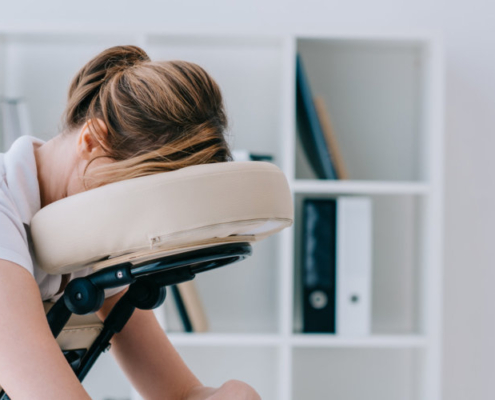 https://www.minipause.au/wp-content/uploads/2026/10/What-to-expect-from-a-workplace-massage.jpg
500
1000
admin
https://minipause.au/wp-content/uploads/2025/01/Mini-pause-logo-2.png
admin2026-10-07 13:21:122026-10-07 15:30:10What to Expect From a Workplace Massage Session
https://www.minipause.au/wp-content/uploads/2026/10/What-to-expect-from-a-workplace-massage.jpg
500
1000
admin
https://minipause.au/wp-content/uploads/2025/01/Mini-pause-logo-2.png
admin2026-10-07 13:21:122026-10-07 15:30:10What to Expect From a Workplace Massage Session https://www.minipause.au/wp-content/uploads/2026/10/How-workplace-massage-can-support-stress-management.jpg
500
1000
admin
https://minipause.au/wp-content/uploads/2025/01/Mini-pause-logo-2.png
admin2026-10-07 13:20:332026-10-07 15:29:04How Workplace Massage Can Support Stress Management at Work
https://www.minipause.au/wp-content/uploads/2026/10/How-workplace-massage-can-support-stress-management.jpg
500
1000
admin
https://minipause.au/wp-content/uploads/2025/01/Mini-pause-logo-2.png
admin2026-10-07 13:20:332026-10-07 15:29:04How Workplace Massage Can Support Stress Management at Work https://www.minipause.au/wp-content/uploads/2026/10/Benefits-of-workplace-massage.jpg
500
1000
admin
https://minipause.au/wp-content/uploads/2025/01/Mini-pause-logo-2.png
admin2026-10-07 13:17:522026-10-07 15:27:56Benefits of Workplace Massage for Employee Wellbeing
https://www.minipause.au/wp-content/uploads/2026/10/Benefits-of-workplace-massage.jpg
500
1000
admin
https://minipause.au/wp-content/uploads/2025/01/Mini-pause-logo-2.png
admin2026-10-07 13:17:522026-10-07 15:27:56Benefits of Workplace Massage for Employee Wellbeing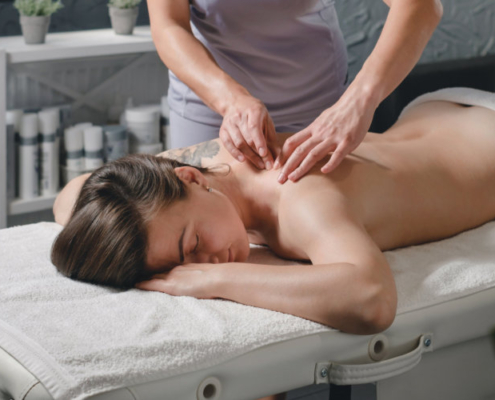 https://www.minipause.au/wp-content/uploads/2026/10/What-is-corporate-massage.jpg
500
1000
admin
https://minipause.au/wp-content/uploads/2025/01/Mini-pause-logo-2.png
admin2026-10-07 13:16:042026-10-07 15:26:44What Is Corporate Massage and How Does It Work in the Workplace?
https://www.minipause.au/wp-content/uploads/2026/10/What-is-corporate-massage.jpg
500
1000
admin
https://minipause.au/wp-content/uploads/2025/01/Mini-pause-logo-2.png
admin2026-10-07 13:16:042026-10-07 15:26:44What Is Corporate Massage and How Does It Work in the Workplace?