
Why More Workplaces Are Including Massage in Employee Wellbeing Programs
Employee wellbeing has become a much bigger conversation in Australian workplaces. Organisations are paying more attention to how people experience work, how sustainable their workloads are and whether employees have meaningful opportunities to pause and recover during the working day.
At the same time, many businesses are looking beyond traditional wellbeing initiatives. A generic email about self-care or access to another online resource may be useful, but it does not always create a tangible experience for employees. This is one reason workplace massage is increasingly being considered as part of broader employee wellbeing programs.
Massage is not a solution to every workplace issue, and it should never be presented as one. What it can provide is something very specific: a practical, accessible opportunity for employees to step away from their usual responsibilities, relax for a short period and experience wellbeing as part of the working day rather than something they need to organise in their own time.
MiniPause Corporate Healing Massage for Women has been created around that idea. The experience is designed specifically for women in the workplace, giving them a quiet and nurturing opportunity to pause, breathe and receive.
Workplace Wellbeing Has Moved Beyond the Occasional Perk
There was a time when workplace wellbeing often meant a bowl of fruit in the kitchen, an annual health check or perhaps a discounted gym membership. Those initiatives still have a place, but the conversation has become much broader.
Organisations are increasingly recognising that employee wellbeing is affected by the way work itself is designed. Workload, job control, support, workplace relationships, recognition, role clarity and the ability to take reasonable breaks can all influence how people experience their working environment.
Safe Work Australia identifies a range of psychosocial hazards that may affect workers, including high job demands, poor support, low job control and inadequate reward and recognition. This means a genuine employee wellbeing strategy needs to go further than offering occasional perks while leaving the underlying workplace unchanged.
Massage fits best into a workplace that understands that distinction. It is not there to compensate for unreasonable conditions. Instead, it can complement a culture that already values appropriate breaks, respectful management, realistic expectations and employee wellbeing.
Why Employees Often Struggle to Prioritise Wellbeing
Many people know perfectly well that they should take breaks, move away from their screens and create time for themselves. Knowing that and actually doing it during a busy working day are two very different things.
When deadlines are approaching or workloads are high, wellbeing is often one of the first things to be postponed. An employee tells themselves they will take a break after finishing one more task, but another email arrives, another meeting starts or another issue needs attention. Before long, most of the day has disappeared.
This is one of the reasons bringing wellbeing into the workplace itself can be valuable. Employees do not have to make another decision about when they will fit it in. The organisation has already created the time and made the experience available.
That can make workplace massage feel very different from handing employees another resource and hoping they use it. The wellbeing activity is no longer sitting on a list of things someone should eventually get around to. It has become part of the working day.
Making Wellbeing Easier to Access
Accessibility is an important part of any employee wellbeing program. The more difficult an initiative is to use, the less likely people are to participate, particularly those who already feel stretched for time.
Some wellbeing activities require employees to travel, book appointments, change clothes, attend sessions outside normal working hours or make space in an already crowded personal schedule. Even when the organisation contributes financially, the employee may still need to organise the experience themselves.
Workplace massage removes many of those practical barriers because the provider comes to the organisation. Employees can attend at an allocated time and then return to their normal working day without travelling to another location.
For employers, this can also make participation easier to organise across a team. Our guide to what to expect from a workplace massage session explains how the scheduling, privacy and practical setup can work in more detail.
Creating an Experience Rather Than Another Resource
Many employee wellbeing programs rely heavily on information. Employees may receive articles, webinars, apps, videos, checklists or educational sessions covering topics such as stress, sleep, exercise and mindfulness. These resources can be valuable, particularly when people want practical information they can return to later.
However, information alone does not necessarily create a pause. In fact, consuming another webinar or reading another guide can feel like one more thing to process during an already mentally demanding day.
Massage provides a different type of wellbeing experience because the employee is not required to absorb new information, complete an exercise or learn a technique. For a short period, there is nothing they need to achieve.
That contrast can be especially valuable in workplaces where employees spend much of their day thinking, responding and making decisions. The massage is not another task disguised as wellbeing. It is a period where the employee can simply receive.
Why Workplace Massage Can Complement Other Wellbeing Initiatives
A strong employee wellbeing program rarely relies on one activity. Different people respond to different approaches, and organisations usually benefit from offering a range of ways employees can support their wellbeing.
Some employees may enjoy mindfulness or meditation. Others may prefer exercise, education, social connection, flexible working arrangements or access to professional support. Workplace massage can sit alongside these options rather than competing with them.
That is important because there is no single wellbeing activity that will suit every employee. A thoughtful workplace approach recognises that people have different needs, preferences and levels of comfort.
Massage can add a more experiential element to the program. Rather than replacing other initiatives, it broadens the range of ways employees can participate in workplace wellbeing.
Supporting Relaxation Without Making Medical Claims
One of the most obvious reasons organisations consider workplace massage is relaxation. Healthdirect Australia notes that massage is commonly used as a complementary therapy for relaxation and stress relief and may help relax muscles.
That makes massage a natural fit within a wellbeing setting, provided it is described realistically. Workplace massage should not be promoted as a treatment for anxiety, burnout or workplace mental health conditions, nor should employers suggest that massage can compensate for unhealthy working conditions.
A better way to position it is as an opportunity for employees to slow down, move away from their normal environment and experience a period of calm during the working day. That may sound modest, but modest does not mean unimportant.
Our article on how workplace massage can support stress management at work looks more closely at the difference between supporting relaxation and actually addressing workplace stressors.
Showing Employees That Wellbeing Has Been Given Time
One of the strongest messages an organisation can send about wellbeing is that employees are allowed to spend working time on it. That sounds obvious, but in many workplaces people still feel guilty stepping away from their desks, particularly when everyone around them appears busy.
When a wellbeing experience is formally scheduled into the day, that ambiguity is reduced. The organisation is not simply saying that wellbeing matters; it is allocating actual time to it.
That can feel much more genuine than encouraging employees to prioritise self-care while expecting them to fit everything into evenings, weekends or lunch breaks. Time is one of the clearest indicators of what a workplace genuinely values.
A workplace massage session may only represent a small part of an employee’s day, but it can reinforce the idea that pausing is acceptable and that wellbeing does not always have to happen outside work.
Employee Wellbeing Programs Should Not Create More Pressure
There is a risk that wellbeing itself can become another source of pressure. Employees can be given a growing list of things they are encouraged to do: meditate, exercise, attend workshops, use an app, improve sleep, complete wellness challenges and participate in team activities.
All of these may be well intentioned, but wellbeing can start to feel like another performance measure if employees believe they are expected to participate in everything or demonstrate that they are taking care of themselves correctly.
Workplace massage can offer a useful contrast because there is very little required of the participant. They do not need to prepare extensively, learn anything or demonstrate improvement afterwards.
The experience can simply be what it is: a short period away from work where somebody else is taking care of them. That simplicity can make it feel less like another obligation and more like an actual break.
Why Choice Is Essential in Employee Wellbeing
Even a well-intentioned wellbeing program can become uncomfortable if participation feels compulsory. Not everybody wants a massage, and employees may have personal, cultural or health reasons for choosing not to participate.
A workplace should therefore offer massage as an option rather than an expectation. Employees need clear information about what the experience involves and should be free to decide whether it is right for them.
Choice also applies to broader wellbeing programs. Some employees may prefer quiet individual activities, while others enjoy group experiences. Some may value education and practical resources, while others respond more strongly to physical relaxation or social connection.
A diverse wellbeing program gives employees different ways to participate rather than assuming everybody needs the same thing.
Workplace Massage Can Make Employee Appreciation Feel More Personal
Employee wellbeing and employee appreciation often overlap. Both are concerned with how people feel about their experience at work and whether they believe their contribution is noticed and valued.
Organisations frequently show appreciation through gifts, lunches, vouchers or team events. Those can all be enjoyable, but a wellbeing experience offers something slightly different because the organisation is giving the employee time rather than simply giving them an item.
A massage session can feel personal because the employee receives a dedicated period where the focus is entirely on them. There is no presentation to sit through, no group activity to participate in and no expectation that they interact with colleagues while taking part.
For people who spend much of the day responding to others, that change can feel particularly valuable.
Why MiniPause Focuses on Women in the Workplace
MiniPause Corporate Healing Massage has been created specifically for women. That does not mean every woman experiences work or life in the same way, but many women will recognise the feeling of carrying responsibilities across multiple parts of their lives.
Professional demands may sit alongside family responsibilities, caring roles, household organisation, relationships and the mental work of remembering what needs to happen next. Those responsibilities can overlap rather than neatly beginning and ending with the working day.
The MiniPause experience deliberately creates a short interruption to that pattern. For a period of time, the woman participating is not organising, supporting, planning or caring for somebody else. She has permission to pause and receive.
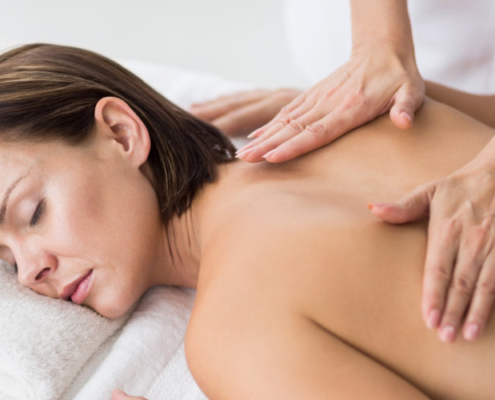
Our article on workplace massage for women and creating space to pause and recharge explores this aspect of the service in much more depth.
Massage Should Sit Alongside Good Workplace Practices
A wellbeing program is only credible when it reflects the broader culture of the organisation. Employees are unlikely to be impressed by a massage day if they are simultaneously dealing with chronic understaffing, bullying, unreasonable deadlines or a workplace where taking ordinary breaks is discouraged.
Safe Work Australia’s Model Code of Practice for Managing Psychosocial Hazards at Work provides guidance on identifying and controlling psychosocial risks. Those responsibilities remain important regardless of what additional wellbeing initiatives an organisation offers.
Massage should therefore sit alongside appropriate risk management, reasonable workloads, supportive leadership and good communication. It can reinforce a positive workplace culture, but it cannot create one by itself.
When the foundations are right, employee wellbeing activities can feel consistent with the organisation’s values rather than being disconnected from the employee’s everyday experience.
A Wellbeing Program Does Not Need to Be Complicated
Businesses sometimes assume they need a large formal program before they can do anything meaningful around employee wellbeing. In reality, a thoughtful approach can include a combination of small and practical initiatives that make sense for the people within the organisation.
A wellbeing program might include genuine lunch breaks, flexible working arrangements where appropriate, better workload planning, access to professional support, opportunities for movement, mindfulness activities and occasional experiences such as workplace massage.
The goal should not be to accumulate as many wellbeing initiatives as possible. More activities do not automatically create a healthier workplace. What matters is whether the initiatives are relevant, accessible and consistent with how employees are treated during the rest of the working week.
For organisations considering massage specifically, our article on the benefits of workplace massage for employee wellbeing explores what employees may gain from having a genuine pause built into their day.
Thinking About the Employee Experience From Beginning to End
The value of workplace massage is not determined solely by what happens during the massage itself. The way the organisation introduces, schedules and communicates the experience can influence how employees feel about it.
If somebody has to fight for permission to leave their desk, rush to the session and then return immediately to an overflowing inbox, the experience may feel less supportive than intended. If the workplace creates time, communicates clearly and treats participation as a legitimate part of the day, the message is very different.
Privacy matters too. Employees need a suitable space where they can step away from colleagues and normal workplace activity. Clear information about the session, consent and any health considerations should also be provided beforehand.
This is why planning matters even when the activity itself is simple. A good wellbeing experience should feel easy for the employee from the moment they hear about it to the moment they return to work.
How Workplace Massage Fits Into a Longer-Term Wellbeing Strategy
Workplace massage does not necessarily need to be a one-off event. Some organisations may decide it works well as an occasional wellbeing initiative, while others may choose to incorporate it periodically throughout the year.
The right approach depends on the organisation, its employees and the broader wellbeing strategy. A business does not need to commit to a complicated ongoing program simply because it introduces massage once.
What can be useful is gathering informal employee feedback afterwards. Did people enjoy the experience? Did the scheduling work? Was the private space suitable? Would employees value something similar again?
That feedback can help employers understand which wellbeing initiatives resonate with their team rather than making assumptions about what employees want.
Measuring the Value of a Wellbeing Experience
Not every wellbeing initiative needs to be measured solely through productivity statistics or financial return. There is a tendency in business to ask whether an activity made employees more productive, but that can miss the point of supporting people in the first place.
An organisation may still want to understand whether an initiative was worthwhile, but the questions can be broader. Did employees participate voluntarily? Did they enjoy the experience? Did they feel the organisation had made a genuine effort to support wellbeing? Was the activity easy to access?
Those questions can provide useful information without making the massage responsible for proving that employees suddenly work faster or take fewer sick days.
Sometimes the value of a wellbeing experience is simply that employees appreciated having it. That is a perfectly reasonable outcome.
Building a More Human Approach to Workplace Wellbeing
Workplace wellbeing can become very formal very quickly. Policies, frameworks and strategies are important, but they can sometimes make the subject feel detached from the people they are supposed to support.
At its simplest, wellbeing is about creating working conditions where people can do their jobs without being treated as though they have unlimited energy. It means recognising that employees need breaks, support, reasonable expectations and opportunities to recover.
Massage can contribute to that more human approach because the experience is immediate and personal. The employee is not reading about the importance of wellbeing. For a short time, they are experiencing what it feels like to have space created specifically for them.
That idea sits at the heart of MiniPause. The experience does not need to be complicated to be meaningful.
Including MiniPause in Your Employee Wellbeing Program
MiniPause Corporate Healing Massage for Women can be incorporated into an existing employee wellbeing program or offered as a dedicated workplace experience. Sessions can be tailored around the size of your team, available space, schedule and number of women participating.
If workplace massage is new to your organisation, start with our guide to what corporate massage is and how it works. You can also explore the benefits of workplace massage, how it may support stress management at work and what employees can expect during a workplace massage session.
The aim is simple: to create a genuine opportunity for the women in your workplace to step away from the demands of the day, pause, breathe and receive.
Frequently Asked Questions
How often should workplace massage be included in an employee wellbeing program?
There is no ideal frequency that will suit every organisation. Some workplaces may offer massage as an occasional wellbeing experience, while others may decide to include it periodically if employees respond positively to it. The right frequency will depend on factors such as the size of the team, budget, workplace structure and the broader mix of wellbeing initiatives being offered.
Rather than deciding in advance that workplace massage must become a weekly, monthly or quarterly program, it can be more useful to begin with one experience and gather employee feedback. This allows the organisation to understand whether employees valued it and whether repeating it would make sense.
How can employers find out whether employees would actually want workplace massage?
A simple anonymous survey or expression of interest can be useful before making a booking, particularly in a larger organisation. Employees can indicate whether they would be interested without feeling pressured to participate.
It is better to ask than assume. Even an initiative designed specifically to support wellbeing will not appeal to everybody, and understanding employee preferences can help organisations invest in activities that people genuinely value.
Should workplace massage be offered during paid working hours?
If the objective is to make wellbeing genuinely accessible, including the session within the working day can make participation considerably easier. Asking employees to attend before work, after work or during unpaid personal time can create another barrier, particularly for people with caring responsibilities or commitments outside work.
How an organisation structures the time will depend on its workplace and operational requirements. The important point is that employees should understand clearly whether the session is considered part of the working day and should not feel they need to compensate for participating by working additional time later.
How can a business evaluate whether workplace massage was worthwhile?
The simplest approach is often employee feedback. Ask whether participants enjoyed the experience, whether the scheduling worked, whether they felt comfortable and whether they would value a similar initiative again.
Businesses do not necessarily need to attach a productivity target to the experience. Employee participation, satisfaction and feedback can be useful measures in their own right, particularly when the aim was to provide a meaningful wellbeing experience rather than achieve a specific operational result.
Should massage be the only wellbeing initiative offered to employees?
Probably not. Employees have different needs and preferences, and no single activity can address every aspect of workplace wellbeing. Massage may suit employees who value relaxation and a quiet individual experience, while others may prefer movement, mindfulness, education, social connection or access to professional support.
A broader wellbeing approach gives employees different options while also addressing the workplace factors that influence wellbeing, including workloads, management support, communication and work design.
How can employers avoid making wellbeing programs feel tokenistic?
The strongest way is to make sure the organisation’s everyday behaviour supports the same message as its wellbeing initiatives. Employees will notice quickly if they are offered massage or wellness activities while simultaneously being discouraged from taking normal breaks or struggling with unreasonable workloads.
Wellbeing experiences feel more credible when they are consistent with a workplace culture that respects employees, manages psychosocial risks appropriately and recognises that people need reasonable opportunities to recover during the working day.
Should employees be consulted when planning a workplace wellbeing program?
Yes. Employee consultation can help organisations understand what people would genuinely find useful rather than choosing activities based solely on what is popular or fashionable in workplace wellbeing.
Different teams may have very different preferences. Asking employees what they value can help create a program that feels relevant and can also highlight practical considerations such as timing, privacy or accessibility that management may not have considered.
Can workplace massage work as part of a small business wellbeing program?
Yes. A wellbeing program does not need to involve a large organisation or a substantial corporate budget. Smaller businesses can often create meaningful wellbeing experiences precisely because the team is smaller and activities can be tailored more closely around the people involved.
A smaller workplace may also have greater flexibility around scheduling. The important factors are providing a suitable private space, making participation voluntary and ensuring the experience fits naturally around the working day.
You may also be interested in …
 https://www.minipause.au/wp-content/uploads/2026/10/Workplace-massage-for-women.jpg
500
1000
admin
https://minipause.au/wp-content/uploads/2025/01/Mini-pause-logo-2.png
admin2026-10-07 13:26:132026-10-07 15:32:32Workplace Massage for Women: Creating Space to Pause and Recharge
https://www.minipause.au/wp-content/uploads/2026/10/Workplace-massage-for-women.jpg
500
1000
admin
https://minipause.au/wp-content/uploads/2025/01/Mini-pause-logo-2.png
admin2026-10-07 13:26:132026-10-07 15:32:32Workplace Massage for Women: Creating Space to Pause and Recharge https://www.minipause.au/wp-content/uploads/2026/10/Why-more-workplaces-are-including-massage.jpg
500
1000
admin
https://minipause.au/wp-content/uploads/2025/01/Mini-pause-logo-2.png
admin2026-10-07 13:25:312026-10-07 15:31:14Why More Workplaces Are Including Massage in Employee Wellbeing Programs
https://www.minipause.au/wp-content/uploads/2026/10/Why-more-workplaces-are-including-massage.jpg
500
1000
admin
https://minipause.au/wp-content/uploads/2025/01/Mini-pause-logo-2.png
admin2026-10-07 13:25:312026-10-07 15:31:14Why More Workplaces Are Including Massage in Employee Wellbeing Programs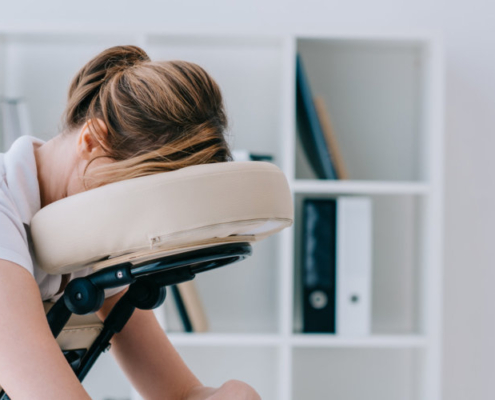 https://www.minipause.au/wp-content/uploads/2026/10/What-to-expect-from-a-workplace-massage.jpg
500
1000
admin
https://minipause.au/wp-content/uploads/2025/01/Mini-pause-logo-2.png
admin2026-10-07 13:21:122026-10-07 15:30:10What to Expect From a Workplace Massage Session
https://www.minipause.au/wp-content/uploads/2026/10/What-to-expect-from-a-workplace-massage.jpg
500
1000
admin
https://minipause.au/wp-content/uploads/2025/01/Mini-pause-logo-2.png
admin2026-10-07 13:21:122026-10-07 15:30:10What to Expect From a Workplace Massage Session https://www.minipause.au/wp-content/uploads/2026/10/How-workplace-massage-can-support-stress-management.jpg
500
1000
admin
https://minipause.au/wp-content/uploads/2025/01/Mini-pause-logo-2.png
admin2026-10-07 13:20:332026-10-07 15:29:04How Workplace Massage Can Support Stress Management at Work
https://www.minipause.au/wp-content/uploads/2026/10/How-workplace-massage-can-support-stress-management.jpg
500
1000
admin
https://minipause.au/wp-content/uploads/2025/01/Mini-pause-logo-2.png
admin2026-10-07 13:20:332026-10-07 15:29:04How Workplace Massage Can Support Stress Management at Work https://www.minipause.au/wp-content/uploads/2026/10/Benefits-of-workplace-massage.jpg
500
1000
admin
https://minipause.au/wp-content/uploads/2025/01/Mini-pause-logo-2.png
admin2026-10-07 13:17:522026-10-07 15:27:56Benefits of Workplace Massage for Employee Wellbeing
https://www.minipause.au/wp-content/uploads/2026/10/Benefits-of-workplace-massage.jpg
500
1000
admin
https://minipause.au/wp-content/uploads/2025/01/Mini-pause-logo-2.png
admin2026-10-07 13:17:522026-10-07 15:27:56Benefits of Workplace Massage for Employee Wellbeing https://www.minipause.au/wp-content/uploads/2026/10/What-is-corporate-massage.jpg
500
1000
admin
https://minipause.au/wp-content/uploads/2025/01/Mini-pause-logo-2.png
admin2026-10-07 13:16:042026-10-07 15:26:44What Is Corporate Massage and How Does It Work in the Workplace?
https://www.minipause.au/wp-content/uploads/2026/10/What-is-corporate-massage.jpg
500
1000
admin
https://minipause.au/wp-content/uploads/2025/01/Mini-pause-logo-2.png
admin2026-10-07 13:16:042026-10-07 15:26:44What Is Corporate Massage and How Does It Work in the Workplace?