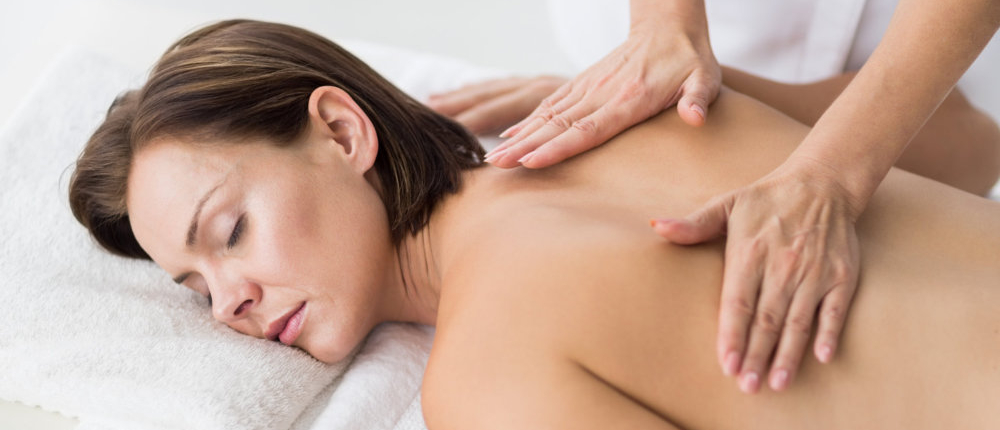
Workplace Massage for Women: Creating Space to Pause and Recharge
Women often move through the day carrying more than the task directly in front of them. There is the work itself, but there may also be planning, organising, remembering, caring, supporting, anticipating and quietly keeping track of what needs to happen next.
Those responsibilities vary enormously from woman to woman, and there is no single female experience. But many women will recognise the feeling of moving constantly between roles, with very little time that is genuinely their own.
That is why workplace massage can be particularly meaningful when it is designed specifically for women. The value is not simply in the massage itself. It is in creating a moment where nothing is being asked of the person receiving it.
MiniPause Corporate Healing Massage for Women has been created around exactly that idea: a quiet, nurturing pause within the working day where women can step away from responsibilities and simply receive.
Why Women Can Find It Difficult to Pause
For many women, pausing can feel less straightforward than it sounds. Even when there is technically time available, the mind may still be occupied with work, family commitments, appointments, relationships, household responsibilities or the many small tasks that need to be remembered and coordinated.
That mental load can continue in the background while the visible task changes. A woman may move from a client call to a family message, from a deadline to an appointment, or from a team meeting to thinking about what still needs to happen later that evening.
None of this means every woman is overloaded or that men do not also carry significant responsibilities. The point is simply that women are often navigating several forms of responsibility at once, and that can make uninterrupted time for themselves feel rare.
A workplace massage session creates a deliberate break from that pattern. For a short period, the woman participating is not organising, answering, planning or supporting somebody else. The focus shifts back to her.
Does this sound familiar?
You finish one task and immediately start thinking about the next. You take a break but still check your phone. You are often the person remembering what everyone else needs. Even when you stop physically, your mind keeps going.
This is exactly why a genuine pause can feel so different from simply having a few minutes away from your desk.
The Difference Between Resting and Receiving
Rest can still involve effort. Someone may decide to meditate, go for a walk, exercise, journal or practise a relaxation technique. These can all be valuable, but they still require the person to initiate and participate in the activity.
Receiving is different. There is less to manage. The experience is being created for the participant rather than by her.
That distinction sits at the centre of MiniPause Corporate Healing Massage. The aim is not to give women another self-care task to complete. It is to create a setting where they are allowed to stop doing altogether for a short time.
For women who spend much of their day responding to other people, that reversal can feel surprisingly powerful. The massage is not another thing to organise; it is a moment that has already been organised for them.
| The working day often involves… | A MiniPause creates space to… |
|---|---|
| Respond to other people | Focus on yourself |
| Make constant decisions | Stop deciding for a while |
| Manage responsibilities | Put responsibilities aside |
| Spend hours looking at screens | Step away from constant input |
| Think about what happens next | Stay with the present moment |
| Give, help and support | Receive |
Why Workplace Wellbeing for Women Needs to Feel Genuine
Women’s wellbeing can easily become wrapped in generic messaging about self-care, resilience and balance. While those ideas are not inherently wrong, they can sometimes place too much responsibility on the individual woman to manage everything better.
If a woman is already dealing with heavy workloads, caring responsibilities or constant mental demands, telling her to “make more time for herself” may simply create another expectation. Self-care starts sounding suspiciously like another job she has forgotten to complete.
A more meaningful approach is to create the time within the workplace. That shifts wellbeing from something women are expected to fit around everything else into something the organisation actively makes room for.
This is one of the reasons workplace massage can feel different from other initiatives. The pause does not have to be squeezed into an evening, lunch break or weekend. It happens within the day itself.
Creating Space Within the Working Day
Work can become relentless when one task moves immediately into the next. Meetings, emails, phone calls, deadlines and screens can create a rhythm where there are very few genuine gaps.
Even when women step away from their desks, they may still be mentally connected to what needs to happen next. A coffee break can become a quick check of messages, and lunch can easily turn into another chance to catch up on unfinished work.
Workplace massage creates a clearer boundary. The participant physically steps away from the working environment and enters a quieter space where nothing needs to be completed.
That is part of what makes the experience valuable. It creates a pause that is visible, intentional and protected rather than something that might disappear the moment another task arrives.
Our guide to what to expect from a workplace massage session explains how that experience can be structured within the working day.
ARRIVE → PAUSE → BREATHE → RECEIVE → REFRESH
Why Relaxation Matters
Healthdirect Australia notes that massage is commonly used for relaxation and stress relief and may help relax muscles. That makes it well suited to workplace wellbeing when it is described realistically and without exaggerated promises.
A workplace massage session is not designed to cure stress, resolve burnout or replace medical treatment. Its role is much simpler: to give someone an opportunity to slow down and move away from the demands surrounding them.
That change of pace can matter because many women spend large parts of the day in response mode. There is always another message, decision or responsibility competing for attention.
Massage creates a temporary break in that pattern. There is no need to analyse, plan or solve. For a short period, attention can shift away from everything that needs to happen next.
The Invisible Mental Load
The phrase “mental load” is often used to describe the planning, remembering and anticipating involved in keeping daily life moving. Much of this work is invisible because it happens internally rather than as a visible task.
Someone may be sitting at her desk while mentally keeping track of appointments, family commitments, birthdays, groceries, work deadlines and everything else that needs attention. None of those thoughts necessarily stop simply because the working day has started.
That constant background processing can make true downtime difficult. Even when a woman is technically resting, her mind may still be running through lists and responsibilities.
Workplace massage does not remove that mental load, but it can create a temporary interruption. It offers a setting where the participant is encouraged to step away from the need to remember, plan and respond.
“For a little while, nobody needs an answer, nothing needs to be organised and there is nowhere else she needs to be.”
Why Being Cared for Can Feel Unfamiliar
Women who spend a lot of time caring for others can become very accustomed to being the person who notices what needs to be done. They may be the one checking in, making arrangements, organising appointments or supporting colleagues and family members.
Over time, receiving care can feel almost unfamiliar. It may even feel uncomfortable at first because the person is so used to being in the giving role.
This is one reason MiniPause places emphasis on the word “receive”. The massage is not simply about physical relaxation. It is about creating an experience where the woman does not have to take responsibility for anyone else for a short period.
That can feel deeply restorative precisely because it is so different from the roles she may occupy during the rest of the day.
Workplace Massage as a Form of Employee Appreciation
Employee appreciation is often expressed through gifts, lunches, vouchers or public recognition. These can all be valuable, but sometimes the most meaningful gesture is to give someone time.
When an organisation offers workplace massage, it is doing more than providing a pleasant experience. It is deliberately allocating part of the working day to the employee rather than asking her to use personal time to look after herself.
That can send a strong message. The organisation is not simply saying that wellbeing matters. It is creating a practical opportunity for that wellbeing to be experienced.
For women who are frequently managing responsibilities across several areas of life, being given dedicated time to pause can feel particularly personal.
Why Choice and Consent Matter
Any workplace wellbeing initiative needs to respect individual preference. Not every woman will want a massage, and that is completely valid.
Some may not feel comfortable with physical touch, while others may have cultural, personal or health reasons for choosing not to participate. Massage should always be optional, and employees should feel free to decline without feeling judged or pressured.
Consent also needs to continue throughout the session. Participants should understand what to expect, have an opportunity to ask questions and feel comfortable speaking up if anything does not feel right.
Healthdirect recommends discussing relevant health conditions before massage and notes that massage may not be suitable in some circumstances. Anyone who is unsure whether massage is appropriate should seek relevant medical advice before participating.
Why Privacy Is Especially Important
Privacy can significantly affect whether someone is able to relax. A massage taking place in a visible corner of a busy workplace is unlikely to create the same experience as one offered in a quiet, private room.
Women may also have different levels of comfort around physical touch and being seen by colleagues while receiving massage. A private environment helps protect dignity and allows the participant to step away from the social dynamics of the workplace for a short period.
This is why the physical setup matters. The room does not need to be elaborate, but it should feel separate enough from the rest of the workplace to create a genuine sense of pause.
MiniPause can discuss the available space before the booking so the experience can be planned around what the organisation already has.
Workplace Massage Should Never Feel Like Another Obligation
Wellbeing activities can sometimes create pressure of their own. Employees may feel they are expected to participate, expected to enjoy the activity or expected to demonstrate that they are taking care of themselves properly.
That approach works against the purpose of wellbeing. The last thing an overwhelmed person needs is another activity they feel obliged to complete.
Workplace massage should therefore be positioned as an invitation rather than a requirement. Women can choose whether the experience appeals to them and participate on their own terms.
The MiniPause philosophy is intentionally gentle. There is no performance and no expectation of a particular outcome. The experience can simply be a quiet moment in the day.
Supporting Women Without Making Assumptions
It is important to talk about women’s wellbeing without assuming that all women have children, caring roles, partners or the same pressures outside work. Women’s lives are diverse, and the experience should never rely on stereotypes.
The stronger focus is on something broader: women deserve access to wellbeing experiences that recognise they are whole people, not simply employees completing tasks.
Some women may be carrying family responsibilities. Others may be navigating leadership roles, health changes, personal transitions or simply the everyday demands of work and life. The details will differ, but the need for genuine space can still be relevant.
That is why MiniPause focuses on creating an experience rather than making assumptions about why someone needs it.
Workplace Massage and Stress Management
For some women, the appeal of workplace massage will be linked to feeling busy, overloaded or mentally stretched. Massage can provide a calming experience, but it is important to keep that in perspective.
If workplace stress is being caused by high job demands, poor support, bullying, unclear expectations or other psychosocial hazards, those issues need to be addressed directly by the organisation.
Safe Work Australia provides detailed guidance on psychosocial hazards and the responsibilities organisations have to manage them.
Our article on how workplace massage can support stress management at work explains this distinction in more depth.
Why Workplace Massage Works Best as Part of a Broader Wellbeing Culture
Massage is most meaningful when it sits within a workplace culture that already respects employees’ time, boundaries and wellbeing. A single massage session cannot undo a culture where people feel unable to take ordinary breaks or are expected to work at an unsustainable pace.
When the broader environment is supportive, however, wellbeing experiences can reinforce that culture. They can show employees that pausing is not frowned upon and that the organisation is willing to create space for recovery during the working day.
This is why workplace massage should not be seen as an isolated perk. It works best as one piece of a more thoughtful approach to employee wellbeing.
Our article on why more workplaces are including massage in employee wellbeing programs looks at how massage can fit into that wider picture.
The Benefits of a Workplace Massage Experience
The benefits of massage will vary from person to person, but the experience may provide women with a chance to step away from screens, relax, reconnect with their body and breathing, and return to the day feeling refreshed.
There can also be value in the emotional experience of being cared for. For someone who spends much of her time meeting the needs of others, even a short period where she is the focus can feel meaningful.
Our guide to the benefits of workplace massage for employee wellbeing explores these broader benefits in more detail.
Creating a Workplace Experience That Feels Personal
One of the strengths of workplace massage is that it can be tailored around the organisation rather than delivered as a generic program. Session length, scheduling and the number of participants can all be adapted according to the workplace.
That flexibility means the experience can feel considered rather than transactional. A smaller team might have longer sessions, while a larger organisation may structure the day differently so more women can participate.
What matters most is that the experience remains calm, private and respectful. Employees should understand what is being offered, feel free to choose whether they participate and have enough space to enjoy the session without feeling rushed.
Why a Small Pause Can Still Matter
There is a tendency to think wellbeing only counts if it creates a major change. In reality, small experiences can still be meaningful.
A short massage will not change every responsibility waiting outside the room, but it can change the pace of one part of the day. It can create a point where the employee stops responding and simply rests.
That may be all the experience needs to do. The value does not have to be measured in dramatic outcomes.
Sometimes a small pause matters because it reminds someone what it feels like to stop.
Creating a MiniPause for Women at Work
MiniPause Corporate Healing Massage for Women has been created as a gentle, workplace-friendly wellbeing experience that gives women time to step away from their normal responsibilities.
The experience can be tailored around your team, available space and working day, making it easy to create something that feels calm, personal and meaningful.
If you are considering workplace massage for your organisation, you can also explore what corporate massage is and how it works, the benefits of workplace massage, how it can support stress management, what to expect during a session and how massage can fit into employee wellbeing programs.
Frequently Asked Questions
Why create a workplace massage service specifically for women?
A women-focused service allows the experience to be shaped around the idea of creating space to receive rather than constantly give, organise or respond. It does not assume that every woman has the same life or responsibilities, but it does recognise that many women move between multiple roles throughout the day and may have very little time that feels completely their own.
The focus is therefore not on treating women as a single group with identical needs. It is on creating a calm, respectful wellbeing experience where women can step away from normal demands and have dedicated time for themselves.
What does “creating space to receive” mean in practice?
It means the participant does not need to achieve anything during the experience. She is not attending a workshop, learning a skill, completing an exercise or being asked to contribute to somebody else’s wellbeing.
For a short period, the experience has already been organised for her. She can simply arrive, settle and receive the massage without taking responsibility for anything else. That is what makes the experience different from many forms of self-care that still require effort and planning.
Can women who do not have caring responsibilities still benefit from this type of workplace massage?
Absolutely. The service is not based on the assumption that women are mothers, carers or responsible for households. Women may be managing leadership roles, demanding careers, study, personal transitions, health changes or simply the ordinary pressures of modern life.
The underlying idea is broader than caring responsibilities. It is about giving women a period where they are not required to respond, perform or manage anything else.
Why might some women find it difficult to relax during a massage at first?
Someone who spends most of the day thinking ahead, solving problems or staying alert may not immediately switch off just because the massage begins. It can take time for the mind to slow down, particularly if the participant has come directly from a busy meeting or stressful task.
That does not mean the session is not worthwhile. Relaxation is not something that needs to be performed correctly. Simply stepping away from work, entering a private space and allowing the pace to change can be valuable even if the mind remains busy for a while.
How can employers make a women-focused wellbeing experience feel inclusive rather than stereotypical?
The language used matters. Avoid assumptions about motherhood, relationships, family roles or why a particular woman might want to participate. Instead, focus on offering a voluntary experience designed to create time for relaxation and wellbeing.
It also helps to make participation optional and allow employees to decide for themselves whether the experience appeals to them. A women-focused service can still respect the fact that women have very different lives, preferences and reasons for taking part.
Why can receiving care feel difficult for some women?
People who are accustomed to being highly independent or regularly responsible for others may become more comfortable giving help than receiving it. They may feel they should be using the time productively or find it difficult to stop thinking about what needs to happen next.
A massage session creates a safe context in which receiving is the whole point. There is nothing the participant needs to give back or achieve during that time. For some women, that change of role can be one of the most meaningful parts of the experience.
How can a workplace avoid turning women’s wellbeing into another responsibility?
The most important thing is not to create another list of activities women are expected to complete. Wellbeing should not become something employees feel they are failing at if they do not meditate, exercise, attend workshops or participate in every initiative.
Offering a workplace massage as a voluntary experience changes that dynamic. The time is already created, there is no homework and there is nothing to achieve afterwards. The woman can simply decide whether she wants to take part.
Does a women-focused massage program replace broader workplace wellbeing initiatives?
No. A women-focused experience can be one part of a wider wellbeing approach, but it should not replace general workplace responsibilities or other forms of employee support.
Organisations still need to manage workloads, psychosocial risks, workplace culture and support appropriately. The massage simply adds a specific experience that gives women an opportunity to pause and receive within that broader environment.
You may also be interested in …
 https://www.minipause.au/wp-content/uploads/2026/10/Workplace-massage-for-women.jpg
500
1000
admin
https://minipause.au/wp-content/uploads/2025/01/Mini-pause-logo-2.png
admin2026-10-07 13:26:132026-10-07 15:32:32Workplace Massage for Women: Creating Space to Pause and Recharge
https://www.minipause.au/wp-content/uploads/2026/10/Workplace-massage-for-women.jpg
500
1000
admin
https://minipause.au/wp-content/uploads/2025/01/Mini-pause-logo-2.png
admin2026-10-07 13:26:132026-10-07 15:32:32Workplace Massage for Women: Creating Space to Pause and Recharge https://www.minipause.au/wp-content/uploads/2026/10/Why-more-workplaces-are-including-massage.jpg
500
1000
admin
https://minipause.au/wp-content/uploads/2025/01/Mini-pause-logo-2.png
admin2026-10-07 13:25:312026-10-07 15:31:14Why More Workplaces Are Including Massage in Employee Wellbeing Programs
https://www.minipause.au/wp-content/uploads/2026/10/Why-more-workplaces-are-including-massage.jpg
500
1000
admin
https://minipause.au/wp-content/uploads/2025/01/Mini-pause-logo-2.png
admin2026-10-07 13:25:312026-10-07 15:31:14Why More Workplaces Are Including Massage in Employee Wellbeing Programs https://www.minipause.au/wp-content/uploads/2026/10/What-to-expect-from-a-workplace-massage.jpg
500
1000
admin
https://minipause.au/wp-content/uploads/2025/01/Mini-pause-logo-2.png
admin2026-10-07 13:21:122026-10-07 15:30:10What to Expect From a Workplace Massage Session
https://www.minipause.au/wp-content/uploads/2026/10/What-to-expect-from-a-workplace-massage.jpg
500
1000
admin
https://minipause.au/wp-content/uploads/2025/01/Mini-pause-logo-2.png
admin2026-10-07 13:21:122026-10-07 15:30:10What to Expect From a Workplace Massage Session https://www.minipause.au/wp-content/uploads/2026/10/How-workplace-massage-can-support-stress-management.jpg
500
1000
admin
https://minipause.au/wp-content/uploads/2025/01/Mini-pause-logo-2.png
admin2026-10-07 13:20:332026-10-07 15:29:04How Workplace Massage Can Support Stress Management at Work
https://www.minipause.au/wp-content/uploads/2026/10/How-workplace-massage-can-support-stress-management.jpg
500
1000
admin
https://minipause.au/wp-content/uploads/2025/01/Mini-pause-logo-2.png
admin2026-10-07 13:20:332026-10-07 15:29:04How Workplace Massage Can Support Stress Management at Work https://www.minipause.au/wp-content/uploads/2026/10/Benefits-of-workplace-massage.jpg
500
1000
admin
https://minipause.au/wp-content/uploads/2025/01/Mini-pause-logo-2.png
admin2026-10-07 13:17:522026-10-07 15:27:56Benefits of Workplace Massage for Employee Wellbeing
https://www.minipause.au/wp-content/uploads/2026/10/Benefits-of-workplace-massage.jpg
500
1000
admin
https://minipause.au/wp-content/uploads/2025/01/Mini-pause-logo-2.png
admin2026-10-07 13:17:522026-10-07 15:27:56Benefits of Workplace Massage for Employee Wellbeing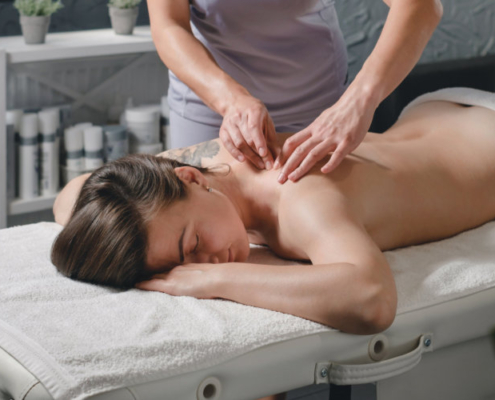 https://www.minipause.au/wp-content/uploads/2026/10/What-is-corporate-massage.jpg
500
1000
admin
https://minipause.au/wp-content/uploads/2025/01/Mini-pause-logo-2.png
admin2026-10-07 13:16:042026-10-07 15:26:44What Is Corporate Massage and How Does It Work in the Workplace?
https://www.minipause.au/wp-content/uploads/2026/10/What-is-corporate-massage.jpg
500
1000
admin
https://minipause.au/wp-content/uploads/2025/01/Mini-pause-logo-2.png
admin2026-10-07 13:16:042026-10-07 15:26:44What Is Corporate Massage and How Does It Work in the Workplace?